The State of Robotics - News from January 2022
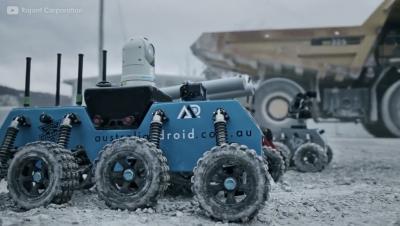
🤖 Find out what's new in the world of robotics with Canonical's roundup of exciting industry stories from the month of January!


The latest News and Information on DevOps, CI/CD, Automation and related technologies.
Whether running on the public cloud or a private cloud, the use of containers is ingrained in today’s devops oriented workflows. Having workloads set up to run under the mandated compliance requirements is thus necessary to fully exploit the potential of containers. This article focuses on how to build and run containers that comply with the US and Canada government FIPS140-2 data protection standard.
In regulated environments, some machines must adhere to strict cryptography requirements designed to protect systems from being cracked, altered, or tampered with. Using cryptographic modules that are FIPS certified or compliant ensure a systems’ encryption solutions adequately protect its digital assets. FIPS validated operating systems are a prerequisite for government agencies, their partners, and those wanting to conduct business with the federal government.
Though you may be approaching SD-WAN with great anticipation, the old adage, ‘fail to prepare, prepare to fail’ has never been more relevant. Embarking on an SD-WAN project can be a complex process that requires a great deal of forward planning.
Recently we had the privilege of being named a Gartner Cool Vendor in the Monitoring and Observability category. The funny thing is, while this is definitely the closest Gartner category for our solution, we aren’t really used to thinking about Komodor as a monitoring and observability tool.
The role and responsibilities of a site reliability engineer (SRE) may vary depending on the size of the organization, and as such, so do site reliability engineer tools. For the most part, a site reliability engineer is focused on multiple tasks and projects at one time, so for most SREs, the various tools they use reflect their eve-evolving responsibilities.
Many enterprises still struggle to get security right. To protect their business, it is critical they focus on security during the entire infrastructure and application lifecycle, including continuous integration (CI). Developers are becoming more autonomous as they transition to a DevOps way of working, with more people requiring access to production systems.