The latest News and Information on Cloud monitoring, security and related technologies.
Network topology can get very complicated in the cloud, especially when you’re sending data to external SaaS providers. You will likely need to configure gateways and firewalls and keep close tabs on those points of egress. However, if your infrastructure exists within AWS, there’s a much simpler way and that’s through an AWS PrivateLink endpoint.
If you have arrived at this page but need a quick refresher on what Azure Active Directory is and why it is different to Active Directory that you might have installed on-premises, you might like to first read this quick run-down – What is Azure Active Directory.
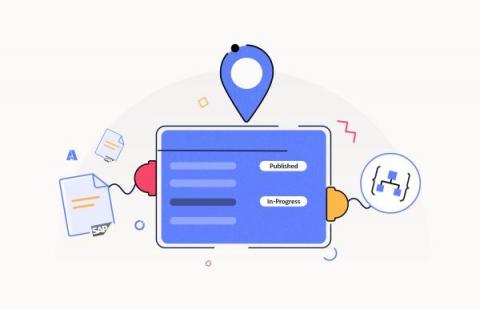
Organizations around the globe recognize the importance of digital transformation to respond to the demands of the modern world. Organizations can advance their business by adapting technology, processes and tools. By doing so, they can increase flexibility, efficiency, security and improve customer experiences to boost success and gain competitive advantage. However, digital transformation is not always easy.
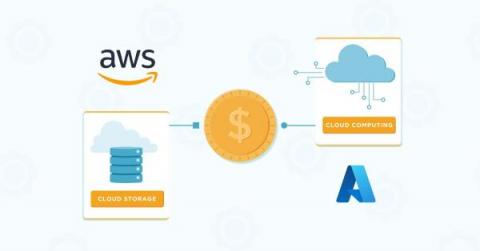
To optimize its cloud investments, your organization needs internal stakeholders to act on shared knowledge about its cloud costs and cloud usage. But in practice, it’s difficult for organizations to gain a high degree of clarity about their cloud spending. The factors contributing to cost data are not normally visible to all stakeholders, and it’s often impossible to attribute costs to the teams, services, and applications that incurred them.
Kubernetes has broken down barriers as the cornerstone of cloud-native application infrastructure in recent years. In addition, cloud vendors offer flexibility, speedy operations, high availability, SLAs (service-level agreement) that guarantee your service availability, and a large catalog of embedded services. But as organizations mature in their Kubernetes journey, monitoring and optimizing costs is the next stage in their cloud-native transformation.