Operations | Monitoring | ITSM | DevOps | Cloud

How to install Kubeflow on Kubernetes

In this video, we install Kubeflow in a Kubernetes agnostic fashion using Juju and Charmed Kubeflow. This video exemplifies the steps necessary to install Kubeflow on any conformant Kubernetes, including AKS, EKS, GKE, Openshift and any kubeadm-deployed cluster, provided that you have access to it via kubectl. To install Kubeflow locally, you can simply install MicroK8s and enable the Kubeflow add-on.

Why managed open source?

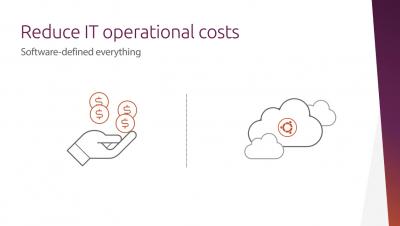
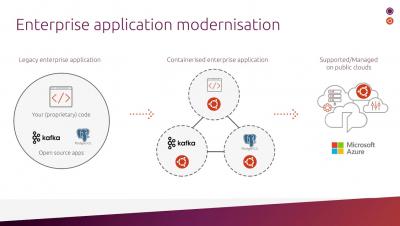
Today, open source is everywhere. Across industries, more and more enterprise applications are created using open source components. The sprawling open source application estate brings its own set of challenges like dealing with multiple vendors, Day-N operations and issues around spiralling costs. But like any software, open source needs to be maintained. This video highlights why managed open source might be the solution for your team, and how Canonical and Ubuntu can help you reduce Total Cost of Ownership (TCO) with Managed Applications.