Operations | Monitoring | ITSM | DevOps | Cloud

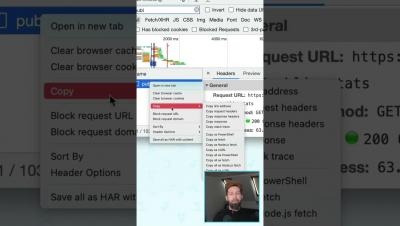
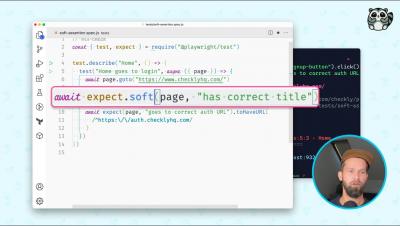
Using Playwright and Checkly to create an ecommerce synthetic monitoring check (no audio)

This short video shows the creation of a synthetic monitoring check using Playwright and Checkly. Here's an outline of the steps in the video: Note: If you’d like to follow along with the steps here, make sure that you have Playwright installed first.

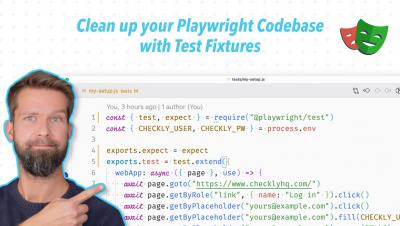
Five Playwright Tips to Level Up Your Testing Game

I joined Checkly a few months ago, and because our platform enables you to use Microsoft’s Playwright to run your synthetic monitoring, I started getting my hands dirty with the end-to-end testing framework. I’m a massive fan of learning in public, so I started publishing weekly Playwright tips on YouTube. Did you miss a few videos? Don’t sweat it! Here’s the first collection of Playwright tricks I discovered over the last few months.

Autoscaling Checkly Agents with KEDA in Kubernetes

Checkly private locations enable you to run browser and API checks from within your own infrastructure. This requires one or more Checkly agents installed in your environment where they can reach your applications and our Checkly management API. You need to ensure you have enough agents installed in order to run the number of checks configured in the location. We have a guide to planning for redundancy and scaling in our documentation.

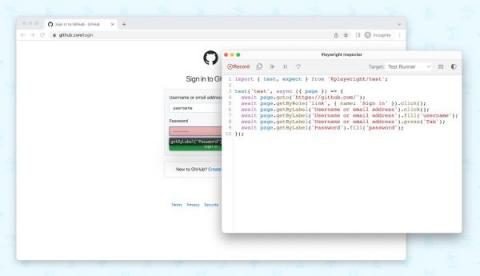
Unleash the Full Power of Playwright With @playwright/test

Welcome to day three of our very first Launch Week! The last two days we shared how alerting became so much better and how we moved one level up by completing our SOC 2 Type 1 audit. Are you curious what’s next? I’ll tell you, but first let’s set the stage and look at Microsoft’s Playwright.