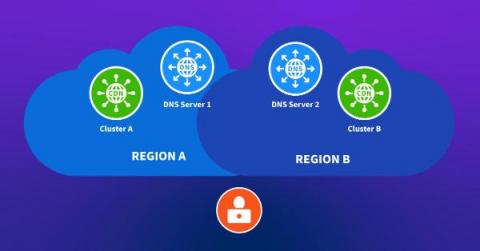
By storing copies of your content in geographically distributed servers, content delivery networks (CDNs) enable you to extend the reach of your app without sacrificing performance. CDNs lessen the demand on individual web hosts by increasing the number and regional spread of servers that are able to respond to incoming requests for cached content. As a result, they can deliver web content faster and provide a better experience for your end users.
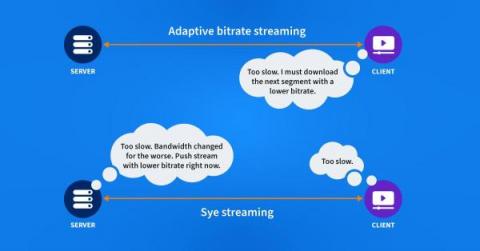
Live sports have moved to the internet and are now streaming instead of being broadcast. Traditional streaming protocols have a built-in delay that challenges the experience of a live game. Amazon Prime has found a solution by combining a new protocol with a very distributed CDN.
Rich content like videos and graphics used to cause network congestion and long load times when all the content was stored on a centrally located server. Fortunately, Content Delivery Networks (CDNs) came to the rescue in the late 1990s, letting users load rich content from a location geographically closer to them and reducing load times by distributing a cached version of content across servers worldwide.
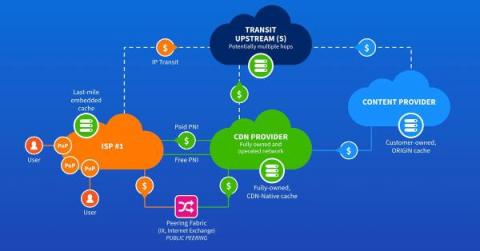
This guide explores the benefits of embedded caching for ISPs and discusses deployment optimization strategies and future trends in CDN technology. Embedded CDNs help reduce network congestion, save costs, and improve user experiences. ISPs must carefully plan their deployment strategies by considering how each of the CDNs distributes content and directs end-users to the caches. They need to know both the CDNs and their network architecture in detail to build a successful solution.
A Content Delivery Network (CDN) is a network of servers or nodes spread around the world that stores and delivers the components of a website such as images, videos, or other static files. It can help both big and small websites deliver their content to users at the fastest speeds possible. If you’re new to the world of CDNs, it might seem intimidating when you’re trying to choose one that best fits your website.
Beyond their primary function of bringing internet content closer to client servers, CDNs also play a vital role in network security. For instance, CDN helps you absorb traffic overloads from DDoS attacks by distributing traffic across many servers. However, the volume of servers under your CDNs control and their geographically distributed nature presents its own set of risks, operational and security. Choosing the best CDN monitoring tool is critical to the end-user experience.
Content delivery networks are an important part of the internet, as they ensure a short path between content and the consumers. The idea of placing CDN caches inside ISPs networks was created early in the days of CDNs. The number of CDNs with this offering is growing and ISPs all over the world take advantage of the idea. This post explains how this works and what to look out for to do it right.
Content Delivery Networks (CDNs) are becoming the norm for many web-based applications, but too often the benefits of CDNs go unnoticed. If you're looking to increase speed and reduce bandwidth, a CDN can be your solution. This comprehensive guide will provide you with all the information you need to get started using a CDN, including when it makes sense to use one and how they compare to other options.