Operations | Monitoring | ITSM | DevOps | Cloud

Effortless Data Compliance with Cribl Lake

Organizations generate, collect, and store vast amounts of telemetry data. With this data comes the growing responsibility to ensure compliance with various regulations, from GDPR to HIPPA. Data compliance ensures data is handled, stored, and processed according to laws and standards protecting personal information. But what makes compliance regulations scary is that it’s ever-changing and rules vary across industries, making it complex to manage.

Scaling Product Management for Hyper-Growth: Lessons from Cribl

Cribl has been experiencing rapid growth over the past six years as customers increasingly seek tools to modernize their data strategies. We introduced a new product, Cribl Lake, to help customers address even more diverse data management challenges. With customer data growing at a 28% CAGR, organizations are looking for solutions that can help them manage and optimize their data infrastructure.

How to Build a Data Migration Plan? A Step By Step Guide

Data growth is growing at an extraordinary pace, with a compound annual growth rate (CAGR) of 28% projected over the next few years. For organizations dealing with logs, metrics, and traces, this massive data expansion brings both opportunities and challenges. As data volumes soar, having flexibility in where you store and analyze it—whether in a SIEM, object storage, or other platforms—has become essential.

Cribl and CrowdStrike Deepen Partnership with Falcon Next-Gen SIEM integration

Cribl is The Data Engine for Security and IT data, and integrations fuel our mission. Since day one, Cribl has been delivering new Stream integrations to meet customers where they are in their data management journey. No matter where customer data resides or needs to go, we want to be there for every customer. It’s your data, and Cribl was created to help you unlock it.

How to Slash Cyber Security Costs with Cribl Stream

Imagine the panic of a business owner who starts the day with a devastating realization: their entire database has been compromised, and the attackers demand a ransom that threatens the very survival of the business. Unfortunately, this isn’t just a nightmare what-if, it’s an all-too-common reality in today’s connected world.

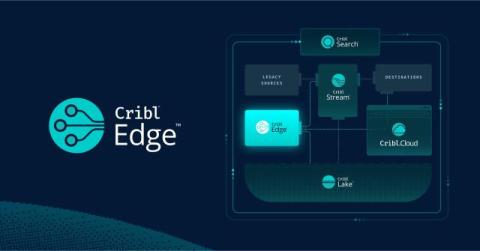
Agents of Mass Collection: Cribl Edge Set-up and Tips

Collection agents emerged to alleviate the pain of having log files distributed around your application servers. However, they brought new problems since each log analysis tool wanted its own agent, trading in its own protocols and/or formats, usually targeting only a single use case. Meaning you had to install multiple agents for different use cases. Onboarding data and managing all these agents seems to be an afterthought.

MSSPs and MDRs, Let's Live on the Edge!

In the original post in this series, we discussed the benefits of adopting Workspaces within your Cribl Cloud organization to create isolated Cribl instances for your clients. This time around, we’re going to look at how Cribl Edge can smooth the edges of your security operations. Sorry, I had to say it. I’ll see myself out.

Navigating the Complexities of Enterprise Data Management with Cribl

In today’s fast-paced digital landscape, enterprise data stands as both a critical asset and a potential liability. With data volumes expanding at an annual rate of 28% while budgets increase by only 7%, organizations face mounting challenges. The unpredictable nature of data value complicates decisions on what to store and where. Moreover, the rise of connected devices and evolving security threats further exacerbate the situation.

Drowning in Your SIEM's Archive? Save on Costs and Get Quick Access to Data With Cribl Lake

We hear it often—data volumes are growing at a 28% compound annual growth rate (CAGR) year over year, and organizations struggle to manage it all. With no additional money in their budgets, they can’t afford to store more and more data in their SIEM, which in most cases means being uncompliant or, worse, not having older data readily available in the case of a recently discovered breach. I’ve repeatedly heard that the data they have archived is practically inaccessible.

The Layers, Not Pillars, of Observability

Remember the Tabs vs. Spaces arguments? It seems that observability has grown up enough that we are arguing over which signals are the “best” signals for observability. Often referred to as the Pillars of Observability, Metrics, Logs, and Traces (sometimes adding Events for MELT) each provide a unique perspective on a system. What happens when we change our perspective from finding the “best” telemetry format to finding the telemetry that aligns with the problems we need to solve?