Rancher Roundup Feb
We are talking about the Rancher Roundup for February! Check it out here.


If you're using Oban for managing background jobs in your Elixir application and want to gain a deeper data-driven understanding of how they perform, you've come to the right place. AppSignal for Elixir now automatically instruments Oban, meaning you can now monitor the performance of your background jobs through an AppSignal Magic Dashboard, which gives you detailed information on queue times, processing times, and notifies you of any exceptions.
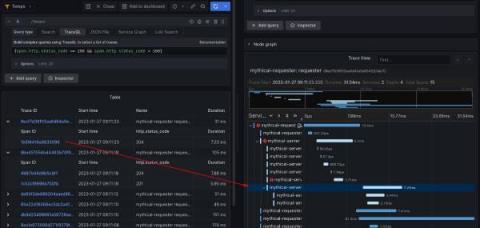
At Grafana Labs, we love tracing, which is why we’ve been hard at work on Grafana Tempo, an open source, highly scalable distributed tracing backend. Tempo just had its 2.0 release. In conjunction with that release, we are excited to show off TraceQL — a powerful new query language designed for distributed tracing. In this blog, we’ll provide an overview of why we created TraceQL, how it works, how you can put it to use today, and what we have planned for future iterations.
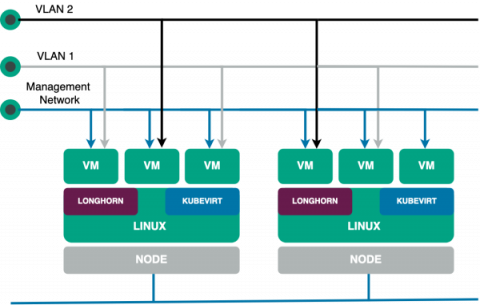
Companies face multiple challenges when migrating their applications and services to the cloud, and one of them is infrastructure management. The ideal scenario would be that all workloads could be containerized. In that case, the organization could use a Kubernetes-based service, like Amazon Web Services (AWS), Google Cloud or Azure, to deploy and manage applications, services and storage in a cloud native environment. Unfortunately, this scenario isn’t always possible.
When adding new Checks in Checkly a number of locations are available to check your endpoints from multiple locations around the world. For most use cases this is more than enough to ensure your resources are online. However, these locations are outside of your network and are unable to check on resources deployed more securely inside your private network.