Operations | Monitoring | ITSM | DevOps | Cloud

The latest News and Information on APIs, Mobile, AI, Machine Learning, IoT, Open Source and more!

Unit Economics & AI Cost Review: What's New in Turbo360 v5.4

Move the FinOps conversation from what you spend to the value you get back. Unit Economics puts your own KPIs next to Azure cost so you can talk in margin, not just bill. New holistic trackers prove what your reservations and schedules are really saving, an AI Cost Review agent turns "how are we doing?" into a full analysis in about a minute, and rightsizing now reaches your Log Analytics workspaces.
Token-based pricing: how AI usage billing works (2026)

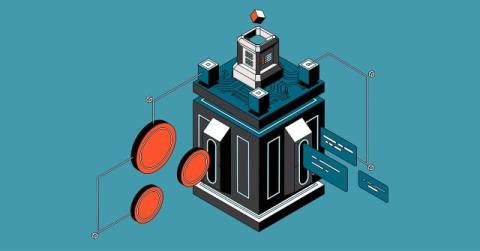
Token-based pricing charges for AI by the volume of text a model processes, metered separately for input tokens (what you send) and output tokens (what the model returns). As of 2026, OpenAI, Anthropic, and Google all bill their APIs this way, and the model is spreading into enterprise chat products. Bills scale with usage rather than seats.

Kling AI pricing in 2026: plans, credit costs, API packages, and the spend no invoice shows

Kling AI pricing runs from a free tier of 66 daily credits to a reported $180 per month, with annual billing about 34% cheaper. Kling 3.0 bills per second: 6 to 12 credits for standard resolutions and 30 for native 4K. The API sells separate prepaid packages from $9.80 to $7,560.

DTF Transfers on Performance Fabrics and Coated Garments

Performance apparel, technical fabrics, and coated garments can create a different production decision from a standard everyday T-shirt. The challenge is not simply choosing a DTF design and ordering the right quantity. The buyer also has to confirm that the garment, surface finish, heat exposure, stretch behavior, and decoration process can work together without creating avoidable risk.

UV DTF Receiving Inspection: What to Check Before Applying

A UV DTF order should not move directly from the shipping package to the application table. For businesses that decorate cups, containers, packaging, promotional items, or other suitable hard goods, the first few minutes after delivery are an important control point. A simple receiving inspection can help a team confirm that the package matches the order, identify visible handling issues, and separate an incoming-material question from an application problem that occurs later.

Why a sewer jetter pulls its own hose down the pipe and what that means for clearing a blockage safely

Feed the hose of a jetter into a drain, open the pressure, and the hose starts moving deeper on its own. No one is pushing it. That self-feeding motion surprises most first-time users, and understanding it explains nearly everything about how a sewer jetter clears pipe, and why it demands more care than a drain snake.