The latest News and Information on APIs, Mobile, AI, Machine Learning, IoT, Open Source and more!
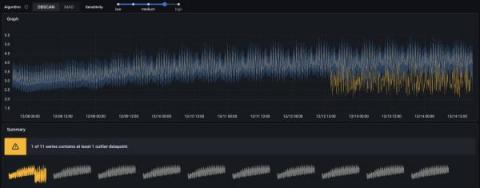
Outlier Detection is now available as part of the Grafana Machine Learning toolkit in Grafana Cloud for Pro and Advanced users. With this feature, you can monitor a group of similar things, such as load-balanced pods in Kubernetes, and get alerted when some of them start behaving differently than their peers. There’s supposed to be a video here, but for some reason there isn’t. Either we entered the id wrong (oops!), or Vimeo is down.
As your experience and knowledge of a system grow, change becomes inevitable. Your application requirements change, your bug fixes require code changes, and your APIs evolve. A key challenge in the software ecosystem is managing changes—especially when they concern APIs. Because you’re likely using APIs in multiple applications, you must document all updates and changes made to your APIs. This is where API versioning becomes crucial.
Common issues with digital signages When it comes to digital signages, most businesses think about them from the same perspective they use when executing other collaterals, such as print advertisements. These business leaders prioritize branding: the look and feel of the signage should be faithful to the brand, any elements from the brand bible should be rendered accurately, and the tone of the copy should be consistent with the brand voice.
Large IoT environments are highly complex and comprise multiple layers of disparate devices that must move data between each other, across potentially unreliable connections. Having visibility into each layer of your IoT environment is critical for quickly identifying problems with your deployment that could negatively impact user experience.
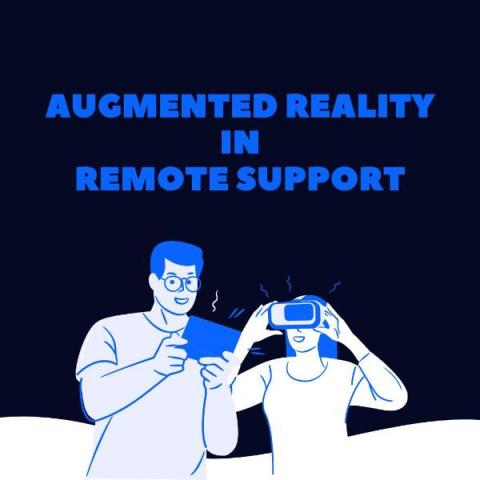
While many people may have a basic understanding of virtual reality (VR), most are not as familiar with the concept of augmented reality (AR). Virtual reality is a completely immersive experience that separates the viewer from the physical world through the use of a VR device that the user wears. In contrast, augmented reality typically uses a camera on a smartphone to add digital elements to a live view.