Operations | Monitoring | ITSM | DevOps | Cloud

Keys to Curing Your Employees' Digital Workplace Woes

Unless end users (EUs) are directly prevented from using applications, they are unlikely to report IT anomalies or malfunctions; it’s much easier to restart a program or click “x” to make the error message disappear than submitting a ticket. Every day, employees settle for small IT glitches which never go reported, giving IT departments the perception of smooth service delivery while, in reality, EUs are experiencing constant obstacles and frustration.

Nexthink

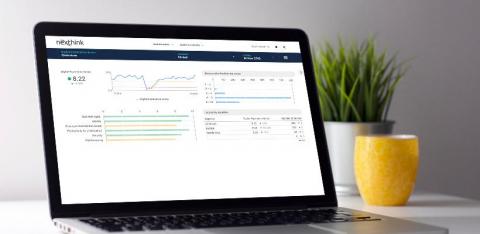
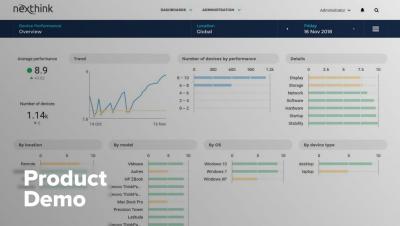
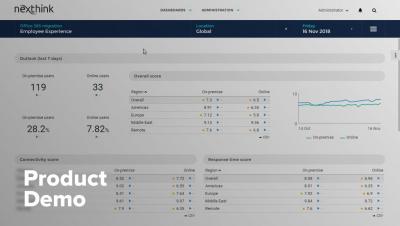
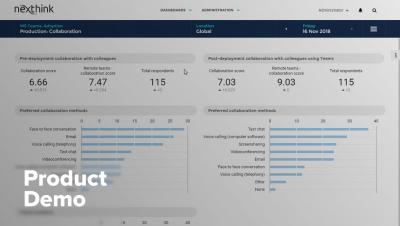
Nexthink is a global leader in digital employee experience. Our product allows enterprises to create highly productive digital workplaces for their employees by delivering optimal end-user experience.

The 4 Requirements of a Better Digital Experience

Better employee experience drives better business outcomes1. The result? Technology is no longer the driving force of IT — instead, the end-users’ digital experience is the key to unlocking business value and driving ROI. The challenge? Mending the gap between traditional metric-based monitoring and the need for real-time, contextual data about the end-user experience. Here’s how to get started.

Mergers & Acquisitions: Getting Your IT Integration Strategy Right Post-Acquisition

Mergers and Acquisitions (M&A) in the private sector have been experiencing unprecedented growth, not only in terms of the number of yearly global transactions, but also in terms of their value. M&As are also well-reputed for their exceptionally high failure rates, as highlighted by the Harvard Business review in 2016: “…companies spend trillions on acquisitions every year. Yet study after study puts the failure rate of mergers and acquisitions somewhere between 70% and 90%”.

Increased Visibility to Manage the New Java Release & Support Model

According to Oracle, Java is a fast, secure and reliable programming language and computing platform first released by Sun Microsystems in 1995. There are lots of applications and websites that will not work unless Java is installed, and more are created every day. From laptops to datacenters, game consoles to scientific supercomputers, cell phones to the Internet, Java is everywhere.