
Operations | Monitoring | ITSM | DevOps | Cloud

How to Optimize Storage While Extracting Data at Scale

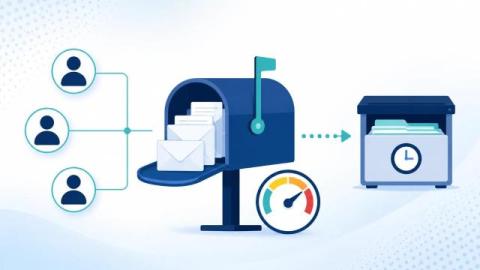
Large-scale data extraction creates storage overhead through raw files, logs, backups, failed runs, and duplicate records. Planning storage early helps keep pipelines faster, cheaper, and more reliable. The aim is not more storage by default, but better decisions about where data lives and how long it stays there.

What is Network Attached Storage (NAS)? [2026 Guide]

Network Attached Storage (NAS) is a dedicated storage device connected to a network that allows multiple users and devices to store and access data from a central location. It is a popular method for extra data privacy, as everything is stored on the device you own and can’t be accessed by anyone, making it a popular alternative to Google Drive, OneDrive, and other big tech companies.

Everything You Need to Know About Cloud Data Migration

Cloud data migration is an important topic for enterprises and businesses as it helps companies switch to a more affordable, scalable, and secure data storage method compared to on-premises storage. To help understand this topic, we will cover everything you need to know about cloud data migration, including.

NAS vs. Cloud Storage: Which One is Best?

NAS (Network Attached Storage) is becoming a popular storage method for people to take control over their data and move away from cloud storage companies that take advantage of their data for their own profits. Although cloud storage is the mainstream storage option for families, businesses, and personal use, NAS storage is an option many are choosing due to more control over where data resides.

How Much Is A Petabyte? Local vs Cloud Storage Costs

Today, roughly 94% of enterprises are projected to use some form of cloud service, with 82% adopting hybrid models that combine cloud and on-premises infrastructure. By 2030, around 60% of all corporate data is expected to be stored in the cloud, highlighting a major shift away from traditional storage systems toward distributed, on-demand infrastructure. With such a huge amount of data, companies need a scalable, affordable, and secure method to store 1 PB.