Operations | Monitoring | ITSM | DevOps | Cloud

Trust no one: Why businesses should adopt zero trust deployment

Businesses want to earn the trust of their customers. This explains why every brand dreams of ranking on the surveys that ask consumers for their most trusted brands. People, after all, trust their friends, family, and loved ones. If a brand can enjoy the same type of relationship with their customers, they will keep them for the long haul. Unfortunately, trust is easily broken. One of the quickest ways to do so as a digital business is to fall victim to a security breach.

Zero Trust Network Access

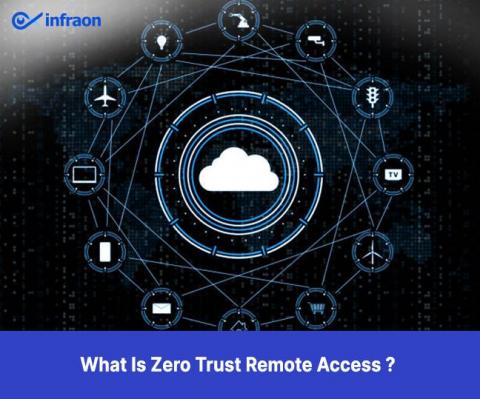
With a global workforce rapidly shifting to remote work, organizations have had to adopt new solutions that can ensure secure access to their corporate resources. One such solution is Zero Trust Remote Access (ZTRA) – an increasingly popular security strategy designed to safeguard employee activity and protect confidential data from malicious actors. In this blog post, we’ll provide a deep dive into what ZTRA is, how it works, and the key types of protocols used in its implementation.

Trust Me - I'm a SASE Solution

As we get ready to wish the term SASE a happy 4th birthday, it seems odd that there is still a great deal of confusion in the market about what SASE really is and how it relates to a ‘Zero Trust’ architecture. For many, SASE is a framework for secure network design; for others, it’s seen more as an architectural approach to delivering Zero Trust. So why do we have this confusion when Gartner defined SASE back in 2019?

Ivanti Announces Lookout CASB/SWG Partnership for Ivanti Neurons for Zero Trust Access

Ivanti is proud to have partnered with Lookout, Inc to provide zero trust secure access across highly distributed application ecosystems while protecting their users, their data and their devices from accidental and malicious data exfiltration and threats. Today we are proud to announce the general availability of Lookout CASB and Lookout SWG as an add-on to Ivanti Neurons for Zero Trust Access (ZTA).

3 ways to implement Zero Trust in a legacy environment

Trust is a very fickle partner to rely on in the IT sector primarily due to the incessant barrage of security threats from both external and internal actors. This is why government, enterprise, and other types of organizations hold cybersecurity as a top priority as hackers discover ever more ingenious ways to stay under the radar.

Active Zero Trust Security for Containers and Kubernetes

Tigera provides the industry’s only active Cloud-Native Application Protection Platform (CNAPP) with full-stack observability for containers, Kubernetes, and cloud. Calico prevents, detects, troubleshoots, and automatically mitigates exposure risks of security issues in build, deploy, and runtime stages across multi-cluster, multi-cloud, and hybrid deployments. Calico works with popular managed Kubernetes services such as AKS, EKS, and GKE, as well as self-managed Kubernetes distributions including Red Hat OpenShift, SUSE/Rancher, VMware Tanzu, and Mirantis.

How to Explain Zero Trust to Your Tech Leadership: Gartner Report

Does it seem like everyone’s talking about Zero Trust? Maybe you know everything there is to know about Zero Trust, especially Zero Trust for container security. But if your Zero Trust initiatives are being met with brick walls or blank stares, maybe you need some help from Gartner®. And they’ve got just the thing to help you explain the value of Zero Trust to your leadership; It’s called Quick Answer: How to Explain Zero Trust to Technology Executives.

Zero Trust: The New Security Model for Cloud Native Applications and Infrastructure

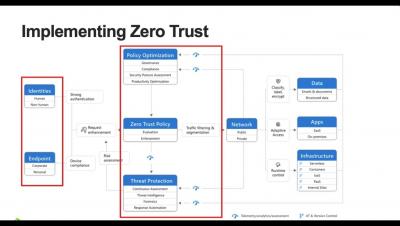
Zero Trust security is gaining attention and momentum as a security approach or mindset that can improve the security posture of enterprises as they continue to battle hackers. Because of this widespread attention on Zero Trust, every software security vendor seems to be jumping on the Zero Trust bandwagon. However, Zero Trust is not a product or service. No single product or vendor can sell you Zero Trust security.