Zero trust in the cloud is no longer a luxury in the modern digital age but an absolute necessity. Learn how Kentik secures cloud workloads with actionable views of inbound, outbound, and denied traffic.
Organizations are responding to the changing cybersecurity landscape. And zero trust is at the heart of this change, with 68% of respondents saying they’re planning or actively working towards adopting a zero trust access model. In collaboration with Cybersecurity Insiders, Ivanti surveyed 421 US-based IT and cybersecurity professionals to identify the latest enterprise adoption trends, challenges, gaps and solution preferences related to zero trust security.
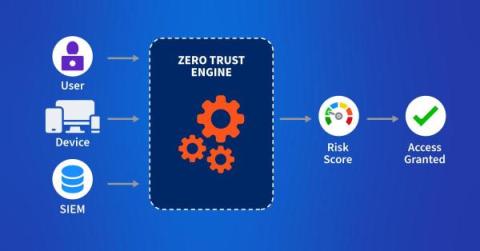
Have you ever wondered how to keep your digital assets truly secure in a world where cyber threats seem to evolve quicker than cybersecurity measures? If so, you might want to consider adopting a Zero Trust security model. Far from being a buzzword, Zero Trust has emerged as a holistic approach to cybersecurity that operates on a straightforward principle: “Never Trust, Always Verify”.
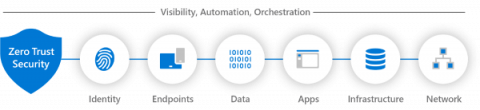
Zero trust isn’t an approach that can be delivered by buying a single product that claims to provide it. Instead, it is an approach that needs to be understood and implemented in complementary ways across an organization’s IT systems. We recently hosted a webinar titled Applying Zero Trust to Data Centre Networks to provide guidance on how organizations can use zero trust to enhance the security of their IT systems. The webinar details are below, after a summary of the topics covered.