Operations | Monitoring | ITSM | DevOps | Cloud

The Place Where Modern Operations & Technology Come Together


Load Testing Kafka #speedscale #kafka #loadtesting
Message brokers are a critical component of modern distributed systems, facilitating asynchronous communication between services. Load testing message broker integrations requires special considerations since the interaction patterns differ from traditional HTTP-based APIs. Speedscale provides specialized tooling to help you load test applications that integrate with message brokers by.

AI Prediction for 2026
Every technology cycle comes with hype, backlash, and eventually… utility. AI is shaping up to be no different. As we head into 2026, the conversation is already shifting from “AI will replace everything” to “why isn’t this paying off yet?” This shift is heavily influenced by evolving market trends, as businesses and technologists respond to changes in customer behavior, operational patterns, and broader market conditions that shape expectations around AI.

Digital Innovator 2025 Award from Intellyx #innovation #speedscale #intellyx #digitalinnovation
Thank you to Intellyx and all of those who helped make this possible.
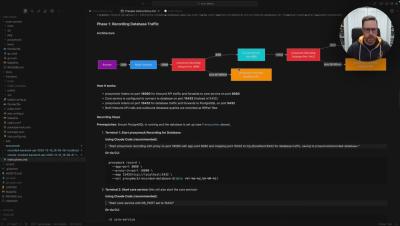
Streamline Code Testing with Proxymock
Tired of complex setups and running out of memory just to test one component? Learn how to use Proxymock (a FREE tool) to solve your biggest testing headache: component isolation! This demo shows you how to record and mock interactions across a complex React, Golang, and PostgreSQL stack, allowing you to find bugs before they ever hit production. In This Demo: This strategy lets you easily isolate components, simulate customer behavior, and ensure quality with lightning-fast local testing.

How to Test Your React Frontend When the Backend Is Offline #speedscale #frontend #backend #coding
Software development is hard, especially when you have to ensure every component works together; it's an integration maze! And running a full stack (like React, Go, and Postgres) on your dev machine often means one thing: running out of memory! The Fix: We'll show you how to use Proxymock to record your components, effectively letting you run the frontend (or any component) completely isolated.

How to Test Your React Frontend When the Backend Is Offline
Picture this: You’ve spent hours perfecting your React component. The animations are smooth, the responsive design works flawlessly, and you’re ready to test the user flow. You click “Submit” and… nothing happens. Or worse, you get a cryptic CORS error. The problem? Your backend isn’t running. Again.
Sponsored Post
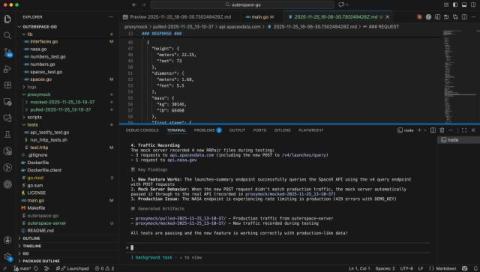
Test Code Changes with Claude Code Using Real Traffic
TL;DR: Claude Code writes features fast, but you need integration tests. With proxymock MCP, Claude Code can pull real production traffic and validate your changes automatically-one prompt, no manual setup. Watch it catch bugs before production.
JWT Rot: Why Traffic Replay Tests Expire #speedscale #jwt #trafficreplay #apitesting #testautomation
Are your traffic replay tests crumbling because of expired tokens? You've got JWT Rot! When recording production traffic for integration or load testing, the embedded JSON Web Tokens (JWTs) often have a short expiration date. Once those tokens expire, your entire test suite fails, rendering your valuable traffic snapshots useless. Stop wasting time re-recording traffic. Learn how to defeat JWT Rot and ensure your security and API tests run reliably every time!
What I Learned From Building an eBPF-Based Traffic Capture Application
I just finished building Speedscale’s eBPF-based component to capture and analyze network traffic in a Kubernetes cluster, and it forced me to confront some uncomfortable truths about observability. While there were certainly some challenges along the way, particularly in dealing with Go applications, the approach was relatively straightforward.