From testing in production to running A/B tests, feature flags have a range of uses. At Sentry, one way we use feature flags is to safely allow beta access to new features for some of our “Early Adopter” customers. Because you can set multiple combinations of feature flags, every user is likely to have a different experience.
Just like that Mobile March Madness 2021 is almost in our rearview. Before we look to April, let’s recap some of our most notable mobile updates from this past month with a few tips on how to solve what matters faster and a sneak peek of what’s coming next. That’s right. We’re constantly improving our mobile monitoring solution independent of our alliteration-based marketing campaigns.
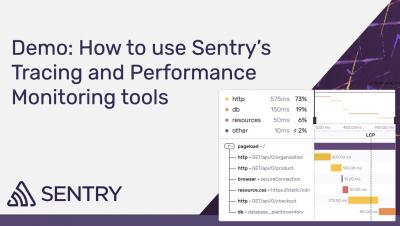
Like many companies, Sentry uses feature flags to determine when certain users see certain features. Recently, we decided to switch our feature flag software to an open-source system called Flagr. And while implementing Flagr, we used our new Performance tools to find — and ultimately fix — a serious issue in how we were fetching our flags.
Android is arguably the most ubiquitous operating system in the world. Whether it’s a tablet, phone, folding phone, computer, TV, or IoT device, chances are you’ve interacted with Android OS. And to help developers get full visibility into how their customers experience Android’s myriad applications, we’re extending Performance to Android.
Like many companies, we have a Hack Week at Sentry. In 2017, we coded an app which blared entrance music for anyone who stepped foot in our office. In 2019, we encouraged folks to be nice on the Internet. Noble causes, sure, but for this year’s Hack Week I was determined to advance a cause near and dear to my cold British heart: dark mode.