InfluxDB Cloud Serverless UI Tour - InfluxDB 3.0
Take a quick tour of the UI for InfluxDB 3.0's multi-tenant, fully managed, elastic option - InfluxDB Cloud Serverless.


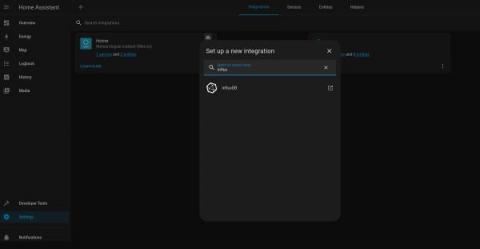
This post covers how to get started with Home Assistant and Grafana, including setting up InfluxDB and Grafana with Docker, configuring InfluxDB to receive data from Home Assistant, and creating a Grafana dashboard to visualize your data. It provides a comprehensive guide for real-time monitoring and analysis of Home Assistant data. In this tutorial, you’ll learn how to integrate Grafana with Home Assistant using InfluxDB.
This post was written by Siddhant Varma. Scroll down for the author’s bio. Observability is an essential aspect of a healthy software architecture and a highly performant system. It enables developers and engineers to understand and dive deeper into how their application behaves. This in turn helps them monitor it effectively.
InfluxDB 3.0 has 10x better storage compression and performance, supports unlimited cardinality data, and delivers lightning-fast SQL queries compared to previous versions. These gains are the result of our new database engine built on top of Apache Arrow. Apache Arrow processes huge amounts of columnar data and provides a wide set of tools to operate effectively on that data.
This post was written by Mercy Kibet, a full-stack developer with a knack for learning and writing about new and intriguing tech stacks. In today’s digital world, software applications are becoming increasingly complex and distributed, making it more challenging than ever to diagnose and troubleshoot issues when they arise.
In this article, we will be exploring C# date classes and how to leverage them to handle and manipulate date data in our applications. We will see the different types of date objects that C# handles and the formats that can be represented, and we will learn how to cleanly process date information from users. Let’s jump right in.
Python is a highly versatile language. From software engineering to machine learning and data analysis, it’s everywhere. As a multipurpose scripting and programming language, it’s often utilized for manipulating and working with data. So, when you’re working with Python, whether you’re analyzing data or writing scripts, you’re likely to encounter dates and time stamps.