Operations | Monitoring | ITSM | DevOps | Cloud

Best Salesforce ODBC Connector Tools in 2026

Salesforce ODBC drivers solve a specific problem: they allow SQL-based tools to query Salesforce data without requiring custom API integrations. That capability matters because Salesforce holds over 20% of the global CRM market and is used by more than 150,000 companies worldwide, making it the largest CRM ecosystem in operation today.

Introducing Application Metrics: Track the signal, see the spike, jump to the trace

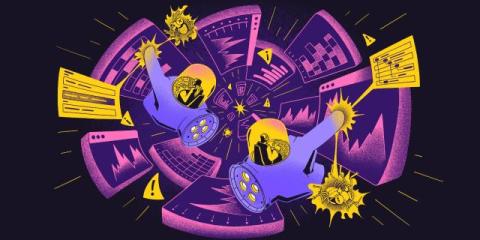
A few weeks ago we had a bug with Session Replay. Replays were failing in some browsers once more than 1,000 video segments loaded. We had no idea how often it happened or who was hitting it, and because the failure didn’t always produce an error, we had no way to find affected users to reproduce it. Before, we could’ve answered this with spans or logs, but it’s clunky — spans are often sampled, so you can miss outliers; logs are less structured and tend to change over time.

Post-Incident Reviews in the PagerDuty UI

Turn incidents into learnings and build resilient operations with real-time collaboration and actionable insights built directly into your PagerDuty workflow. Post-incident Reviews in the PagerDuty UI are now in Early Access. Coming soon: AI-generated drafts and intelligent follow-up suggestions.#IncidentResponse.

ActiveMQ JMS 2.0 Implementation Guide: Simplified API, Transactions & Spring

For most of JMS's lifetime, writing a simple producer required creating a ConnectionFactory, creating a Connection, starting it, creating a Session, creating a MessageProducer, creating a Message, calling send(), and then closing the producer, session, and connection with the close calls safely wrapped in finally blocks to prevent resource leaks. Every developer knew the pattern. Every developer wrote it slightly differently. Every code review had the same comments about resource management.

Introducing the Coralogix CLI: Headless Observability for Every Agent

This article is a high-level overview of the Coralogix CLI. For a deeper look at how it works in practice, read the full technical deep dive here. Agent-driven investigation sounds simple: read the alert, query the data, return the cause. In reality, most agents either overload their context window with raw logs or guess at queries and return incorrect results.