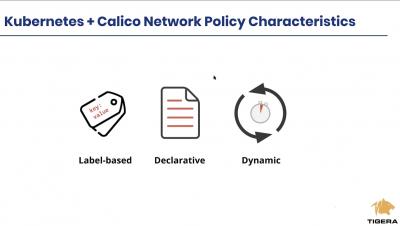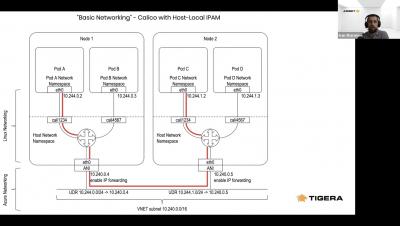
Getting up and running with Calico on AKS
In this session, we’ll review networking options compatible with Calico for AKS cluster and will build a few AKS clusters using Azure CLI and ARM template.


The latest News and Information on Containers, Kubernetes, Docker and related technologies.
It feels like a lifetime ago, well, 3 years is a lifetime in tech, that I wrote a blog post explaining how we rewrote our API server from Golang to Ruby on Rails. Here we are and I'm about to explain about how we've been back and forth doing the same thing for our CLI. Just after that time, I wrote the first version of our CLI utility in Golang. However, with only me knowing Golang on the team, we weren't able to achieve the velocity and pace of adding features within the CLI as I'd like.
The Twelve-Factor App methodology is a methodology for building platform-agnostic and resilient applications. It was introduced by Adam Wiggins while working at Heroku in 2011. Nearly 10 years later, this methodology is still considered by the developer community as an excellent practice to follow when building an application. In this article, we will see step by step how Qovery respects and improves the 12-factor methodology. Here we go.
Our very own regional director of Northern EMEA, Jeroen Overmaat, recently joined our partner, Magic Sandbox BV (MSB), for the inaugural episode of Magic Devcast, their new technology podcast. Magic Devcast brings together technology industry personalities and influencers from around the world to discuss how they tackle the ever-changing landscape, how to approach remote work, learning and much more.
In part one of this series, I introduced you to Kubeflow, a machine learning platform for teams that need to build machine learning pipelines. In this section, we will learn how to take an existing machine learning project and turn it into a Kubeflow machine learning pipeline, which in turn can be deployed onto Kubernetes. As you are going through this exercise, think about how you can convert your existing machine learning projects into a Kubeflow one.
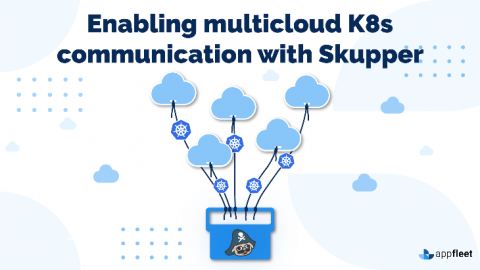
There are many challenges that engineering teams face when attempting to incorporate a multi-cloud approach into their infrastructure goals. Kubernetes does a good job of addressing some of these issues, but managing the communication of clusters that span multiple cloud providers in multiple regions can become a daunting task for teams. Often this requires complex VPNs and special firewall rules to multi-cloud cluster communication.