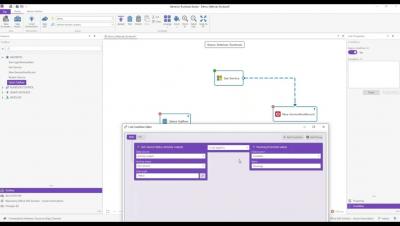
Kelverion Runbook Studio V5 Demo
An in-depth video providing an overview of Kelverion's low-code/no-code authoring tool.


The latest News and Information on Cloud monitoring, security and related technologies.
This post was written by guest author, Nahla Davies. Nahla has been in the software space since 2010 and a technical writer since 2019. She previously served as a lead programmer at an Inc. 5,000 experiential branding organization whose clients include Samsung, Time Warner, Netflix, and Sony. Microsoft Azure is widely popular among developers and across organizations because it’s scalable, flexible, and customizable.
When it comes to cloud storage, two of the most popular options are Azure Blob Storage and Amazon S3. Both are highly scalable, secure, and widely used by businesses of all sizes. However, there are significant differences between the two that make them better suited for different use cases. In this article, we will take a detailed look at the features, capabilities, and pricing of Azure Blob Storage and Amazon S3 to help you decide which one is the best fit for your organization.
When operating a larger business or project, one problem comes quickly apparent: How can I know that my servers and their applications are up and the performance is good across the board? The answer is, of course, monitoring software.
Azure Blob storage has several storage tiers that offer different performance and cost characteristics. The storage tiers available are: Customers can move data between these tiers based on their access patterns, which can help reduce costs while still meeting performance requirements.