Incident response in Kubernetes with Sysdig's Activity Audit
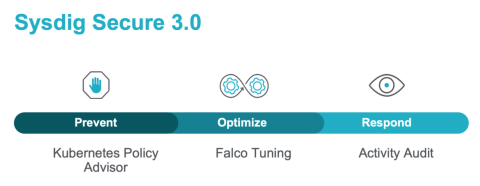
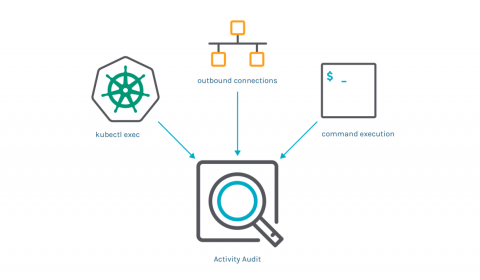
Activity Audit is a new feature included in the Secure 3.0 release. This feature speeds incident response and enables audit by correlating container and Kubernetes activity.


The latest News and Information on Containers, Kubernetes, Docker and related technologies.
Activity Audit is a new feature included in the Secure 3.0 release. This feature speeds incident response and enables audit by correlating container and Kubernetes activity.
Sysdig Secure 3.0 introduces Kubernetes Policy Advisor to provide Kubernetes native prevention using Pod Security Policies (PSPs). This feature automates the generation of PSPs and validates them pre-deployment, so they don’t break applications when applied. This allows users to adopt Pod Security Policies in production environments quickly and easily.
Today, we are excited to announce the launch of Sysdig Secure 3.0! Sysdig Secure is the industry’s first security tool to bring both prevention and incident response to Kubernetes.
To get an accurate picture of the current state of Kubernetes deployments, Rancher Labs recently conducted an industry survey that included 1,106 respondents from large and small enterprises across a broad range of more than 25 industries, including technology, financial services, telecom, education, government and healthcare. The respondents were almost evenly split among EMEA and North America and included both Rancher and non-Rancher users.
Azure Monitor gathers performance metrics from your various Azure resources and allows you to explore those metrics through visualizations. It also allows you to manually create alerts that will notify you when a metric crosses a predefined threshold. In this blog post, we’ll cover how to create an alert in Azure Monitor.
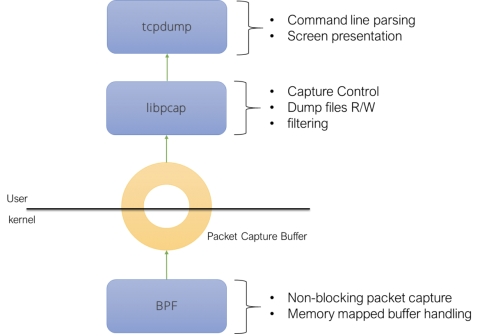
As Falco grows in popularity, many new users get exposed to it on a daily basis. As should be expected, most of these users are not aware of what the architecture underneath Falco is. What components play a role in powering it? How do these components relate to each other? I thought it would be fun to write a blog post that answers these questions. And I thought it would be fun to write it with an historical perspective.
If you have anything to do with the world of cloud computing or even programming for that matter, then I’m sure you’ve heard of different terms being tossed around such as “serverless computing” or “containers,” and even “monolithic architectures.” A lot of people who understand such computing methods can have a bad habit of using these terms without leaving any explanation as to what they are.
To centralize logging from your entire stack—from traditional infrastructure to serverless components—Datadog is announcing native support for the launch of FireLens for Amazon ECS. FireLens streamlines logging by enabling you to configure a log collection and forwarding tool such as Fluent Bit directly in your Fargate tasks. We’ve partnered with AWS to provide built-in Fluent Bit support for Datadog so that you can now seamlessly route container logs from AWS Fargate.