The latest News and Information on DevOps, CI/CD, Automation and related technologies.
Have you ever found yourself trying to reconstruct an event from the past only to come up blank because you cannot go so far back in time? If only you could bring back that missing piece of the puzzle! In the world of IT, logs are the way machines and software record events. They help us understand when an event happened, where they happened and most importantly, why they happened.
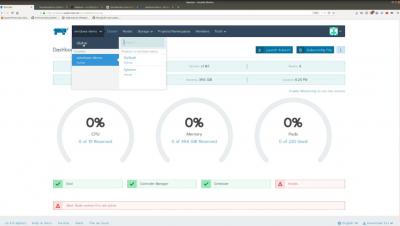
Today we are announcing the support for Windows containers with Kubernetes 1.14 in Preview mode. As many users may know, Rancher 2.1.0 supported Windows containers in experimental mode. Now that SIG Windows and Microsoft have announced the general availability of containers in Windows Server 2019 with Kubernetes 1.14, we have upgraded Rancher to both support the latest version of Windows containers (and Kubernetes) and after the preview is over, make it generally available.
Following the recent announcement of our partnership with Microsoft, Azure users can now monitor, troubleshoot, and secure their environments with a fully managed Azure-native ELK solution. However, If you want to set up the ELK Stack on Azure on your own this guide will help you get started.
A Rails migration is a tool for changing an application’s database schema. Instead of managing SQL scripts, you define database changes in a domain-specific language (DSL). The code is database-independent, so you can easily move your app to a new platform. You can roll migrations back, and manage them alongside your application source code.
Cloud computing, containerization, and container orchestration are the most important trends in DevOps. Whether you’re a data scientist, software developer, or product manager, it’s good to know Docker and Kubernetes basics. Both technologies help you collaborate with others, deploy your projects, and increase your value to employers. In this article, we’ll cover essential Kubernetes concepts. There are a lot of Kubernetes terms, which can make it intimidating.
If you’re thinking about using containers to manage an application, there are a lot of options for technologies to use. It can be difficult to even know where to begin to make a decision. One common question is whether someone should use Docker vs Kubernetes for managing their application containers. This is a misleading question. In truth, Docker and Kubernetes aren’t competing technologies. There’s no need for them to face off.
In the last post, Samuell (from the og-aws Slack group) figured out his negative TTL problems in Cloudfront. During that session, we actually solved two different problems. This post is to finish off that conversation and address the other problem, which was how to use the default error page in Cloudfront.