Operations | Monitoring | ITSM | DevOps | Cloud

How to empower your team to own incident response

Responding to and managing incidents feels fairly straightforward when you’re in a small team. As your team grows, it becomes harder to figure out the ownership of your services, especially during critical times. In those moments, you need everyone to know exactly what their role is in order to recover fast. Moving to incident.io as the 7th engineer, from a scaleup of around 70 engineers, has given me a new perspective on what it means to own your code.


Sysdig Advisor: Making Kubernetes troubleshooting effortless

The cloud, Kubernetes, CI/CD, DevOps, GitOps… the last five years have seen a huge transformation in how organizations are architecting and shipping applications. It’s hard to keep up with the pace and learn all of this new tech! Nearly 55% of respondents to Canonical’s 2021 Kubernetes and cloud native operations report highlighted how the lack of sufficient in-house skills and people power is the biggest challenge that Kubernetes brings to businesses.

What Are the Best Practices of Maintenance Management in an Organization?

These days lots of organizations are paying attention to maintenance management. All maintenance managers want to keep their organization’s assets well maintained. In order to do that, the best practices for Maintenance Management must be utilized. In this blog, we will tell you the best practice of maintenance management for all organizations. So, let us begin! But first, let us know about maintenance management!

Tracing a Ruby application with OpenTelemetry for performance monitoring

Ruby on Rails is a popular MVC framework for creating web applications. It is necessary to monitor your Ruby applications for performance issues. In today’s cloud-native and microservices-based architecture, it is difficult for engineering teams to troubleshoot performance issues. Tracing your application can give the much needed context required to troubleshoot performance issues.

Container Cost Management: Allocating Kubernetes Costs The Easy Way

Containers are one of the most popular ways for businesses to deploy applications. They provide an easy method of packaging applications into self-sufficient units that can be used, moved around, and re-used in any number of ways without breaking the overall functionality of your software. With the possible exception of serverless architecture, containerization is perhaps the best way to achieve smooth, seamless application deployment and minimal hassle with updates and application maintenance.

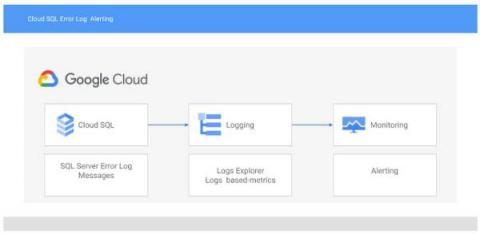
Alerting on error log messages in Cloud SQL for SQL Server

With Cloud SQL for SQL Server, you can bring your existing SQL Server on-premises workloads to Google Cloud. Cloud SQL takes care of infrastructure, maintenance, and patching so you can focus on your application and users. A great way to take better care of your application is by monitoring the SQL Server error log for issues that may be affecting your users such as deadlocks, job failures, and changes in database health.

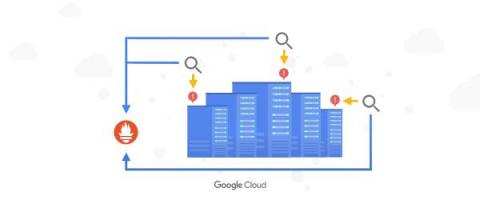
Introducing a high-usage tier for Managed Service for Prometheus

Prometheus is considered the de facto standard for Kubernetes application metrics, but running it yourself can strain engineering time and infrastructure resources when your usage grows. In March, we announced the general availability of Google Cloud Managed Service for Prometheus to help you offload that burden, and today, we’re excited to announce a new low-cost, high-usage pricing tier designed for customers who are moving large volumes of Kubernetes metrics over to the service.

4 Key Steps of a Vulnerability Management Process

Vulnerabilities within an IT environment pose a big security risk and are a threat to digital data within an organization. These vulnerabilities can be exploited by others, or a lack of necessary precautions can result in damaged or lost organizational data. Therefore, it is essential to have a vulnerability management process in place for these reasons.