Operations | Monitoring | ITSM | DevOps | Cloud

Exploring ROS 2 Kubernetes configurations

Kubernetes and robotics make a great match. However, as we have seen, robots running ROS 2 can be tricky to set up on Kubernetes. This blog series has explored running ROS 2 on Kubernetes, set up a simple talker and listener, and distributed that demo across three machines. The configurations presented may not quite fit your implementation, and you may want to dig a bit deeper into network traffic when troubleshooting.

Securing Kubernetes clusters with Sysdig and Red Hat Advanced Cluster Management

In this blog, we introduce the new integration between Sysdig Secure and Red Hat® Advanced Cluster Management for Kubernetes that protects containers, Kubernetes, and cloud infrastructure with out-of-the-box policies based on the Falco open-source runtime security project. Organizations are quickly growing their Kubernetes footprint and need ways to achieve consistent management and security across clusters.

GNU Linux commands to inventory computer hardware

In the beginning we, as Humanity, created computers. We said “let it be electricity” and it was the light on our ballistic trajectory calculations. We saw the numbers matched and they were good. And we called the set of calculation instructions as “programs”, which were loaded straight into computer memories. And so was the first computing decade. GNU Linux commands didn’t exist yet, because there were no operating systems either.

Cybersecurity defenses for IIoT

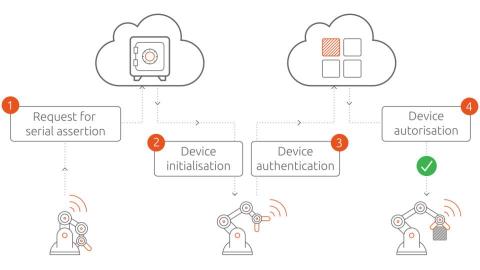
Cybersecurity attacks on industrial IoT solutions can have detrimental consequences. This is the case because IoT devices record privacy-sensitive data and control production assets. Therefore, demonstrable trustworthiness is prerequisite to IoT adoption in industrial settings. Fortunately, IT security is a mature field. Experts have identified classes of threats devices may be subject to. Let’s discuss these threat patterns and mitigation strategies in the IIoT context.

Distribute ROS 2 across machines with MicroK8s

Our simple ROS 2 talker and listener setup runs well on a single Kubernetes node, now let’s distribute it out across multiple computers. This article builds upon our simple ROS 2 talker / listener setup by running it on multiple K8s nodes. At the completion of this setup expect to have a ROS2 Kubernetes cluster running MicroK8s on three different machines. Applying a single configuration file distributes the ROS 2 workload across the machines.

Edge computing is dead, long live micro clouds and IoT gateways

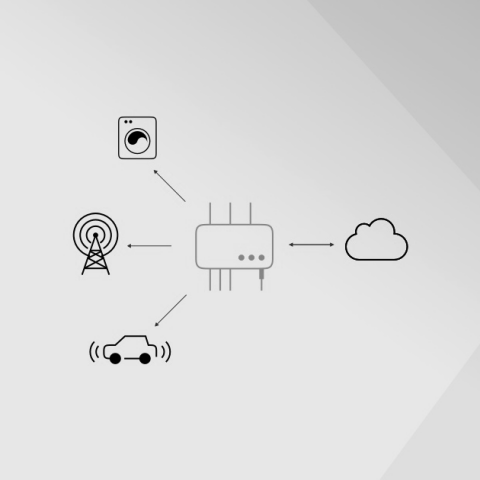
“The King is dead, long live the King.” It might be my french roots speaking, but it seems that actual use cases are replacing King Edge, and it might be for the best. Warning; do not read this blog if you’re particularly sensitive about edge computing (and if you don’t know what this is about, read the “What’s the deal with edge computing?” blog first).

10 years and 10 million cores: charting OpenStack's greatest achievements

Technology anniversaries have become more commonplace in recent years. The iPhone at 10 years old, indeed Canonical itself turned 15 last year. Here though, we want to look at OpenStack reaching double figures this year. Starting off as a joint project between NASA and Rackspace in 2010, over 500 companies have now joined the OpenStack project in the past decade, which has spun off dozens of sub-projects.