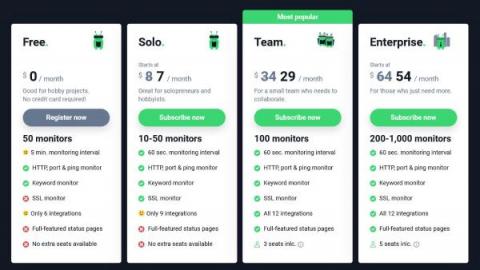
December 2022: We are introducing Sub-users and new plans!
Hey there, We’re excited to announce that the highly anticipated sub-users feature has finally launched!🚀


Hey there, We’re excited to announce that the highly anticipated sub-users feature has finally launched!🚀
Hi folks! It’s been a while since the last update post. But don’t worry, it’s not because we were lazy. We’ve just been really busy preparing new, interesting things. Let’s take a closer look at them.
We’ve been busy this summer and introduced two new features last month – longer intervals and a grace period for recurring jobs monitoring (Heartbeat monitors). There is some good news this month too, so let’s get right into it!
After adding new features in June we worked on fixing some minor bugs and improving the stability of our service. We’re happy to announce that besides those fixes, we were also able to introduce a major update to our heartbeat (background job) monitoring. It was requested by many, so let’s take a look at the details!
Last month was filled with news and we’re happy to report that we were able to finish the other three little features! Let’s take a look at them quickly so you can get back to enjoying the summer 🙂
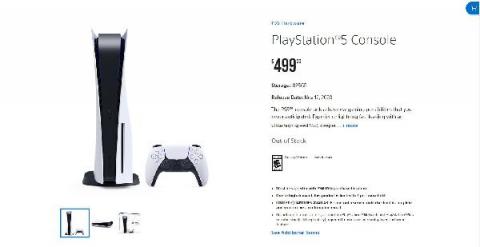
Are you one of those trying to desperately get your hands on a new RTX 3080, 3070, 3060 Ti, & 3090 in 2021? Or maybe you prefer the new PlayStation 5 or Xbox Series X console. Basically, any item that’s on pre-sale or hard to get (including the uniquely designed piece of clothing for your girlfriend). If your favorite e-shop doesn’t have a “watchdog”, we have the best solution for you. Now how would you know it’s already back in stock? There’s an easy way!
As promised, we’re back with other monthly updates! We’ve been swamped with different tasks during the last month, so let’s jump right into it.
Following our latest updates, which, from now on, we’d love to share with you regularly, we’re happy to announce last month’s news. There’s always space for improvements while doing necessary maintenance, so let’s take a look at it.
While the world is getting more optimistic with the wave of vaccine options, we’re looking forward to introducing you to our latest news. We’re happy to say we managed to fulfill some of our last year’s promises and are still working on our plans and improving UptimeRobot. We introduced a completely redesigned mobile app and new status pages, with many new features. We entered the new year enthusiastically and kept on being busy. Let’s take a look at what’s new!
As promised in our latest update in June, we have prepared the new public status pages. We’ll deploy them after this beta period so your feedback will be much appreciated! What’s new, how does it look and how can you use it?