Operations | Monitoring | ITSM | DevOps | Cloud

Data Denormalization: Pros, Cons & Techniques for Denormalizing Data

The amount of data organizations handle has created the need for faster data access and processing. Data Denormalization is a widely used technique to improve database query performance. This article discusses data normalization, its importance, how it differs from data normalization and denormalization techniques. Importantly, I’ll also look at the pros and cons of this approach.

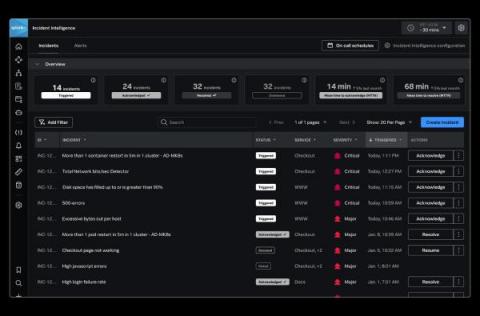
Bring Order to On-call Chaos With Splunk Incident Intelligence

In today’s turbulent times, companies big and small are being pushed to do more with less. Budgets are getting tighter and companies are being pressured to serve customers who demand 24/7 availability from their applications and services. To meet these demands and remain competitive, enterprises are adopting cloud-first strategies and developing applications with microservice architectures.

Public Sector Predictions - the highlights for 2023 and two challenges that the public sector faces

Has the public sector ever been under so much pressure? Universal across all government departments, essential public services are under significant strain. However, COVID-19 and the subsequent knock-on impacts (economic, social and healthcare challenges) have buckled the resilience and kept many front-line concerned with delivering the scale of service required by the public.

Cloud Migration is hard especially in the public sector, but there is a way

As Sean Price discusses in his ‘2023 Public Sector Predictions’ blog, European government departments and agencies are under pressure to reduce costs, improve efficiency and provide a better citizen experience. Governments need to offer more services at higher quality at a time when it costs more to heat buildings and to employ people to run the services.

Top DevOps Certifications to Earn in 2023

DevOps teams combine development and operations to boost productivity at work. For this to happen, the professionals must possess the right skills, knowledge of the right tools and the DevOps mindset. This makes it an interesting department to work in as, over time, you’ll be able to build a portfolio of soft and hard skills that will be useful in different spaces.

Data Lakehouses: Everything You Need To Know

A data lakehouse is a modern data architecture. It is popular among many organizations that incorporate the features of both data lakes and data warehouses. The features of a data lakehouse make it ideal for a range of data analytics use cases. This article explains data lakehouses, including how they emerged, how they shape up versus data lakes and data warehouses, their architecture, and finally, the pros and cons of using a data lakehouse.

Building Resilience With the Splunk Platform One Use Case at a Time

You know that the Splunk platform is the ultimate tool to help advance your business on the path to resilience. You want to use it to see across hybrid environments, overcome alert fatigue, and get ahead of issues. You could be just starting out in your security journey and want to build an essential security foundation or if you're starting out in observability, you might want to accelerate your troubleshooting. You might be working in retail, telecommunications, or the public sector.

Predictions: a Deeper Dive into the Rise of the Machines

As Gaurav described in his retail predictions blog, the impact of AI and automation on the retail industry should not be underestimated. The compound effects of improvements in technology and labour shortages have created an ideal scenario for innovation. Here we will take a deeper look into some of the AI and automation use cases that we have seen in retail and outline some of the areas of focus to help you get started.

Log Aggregation: Everything You Need to Know for Aggregating Log Data

Log aggregation is the process of consolidating log data from all sources — network nodes, microservices and application components — into a unified centralized repository. It is an important function of the continuous and end-to-end log management process where log aggregation is followed by log analysis, reporting and disposal. In this article, let’s take a look at the process of log aggregation as well as the benefits.