Operations | Monitoring | ITSM | DevOps | Cloud

Intrinsic vs Meta Tags: What's the Difference and Why Does it Matter?

Tag-based metrics are typically used by IT operations and DevOps teams to make it easier to design and scale their systems. Tags help you to make sense of metrics by allowing you to filter on things like host, cluster, services, etc. However, knowing which tags to use, and when, can be confusing. For instance, have you ever wondered about the difference between intrinsic tags (or dimensions) and meta tags with respect to custom application metrics? If so, you’re not alone.

5 Best Practices for Using Sumo Logic Notebooks for Data Science

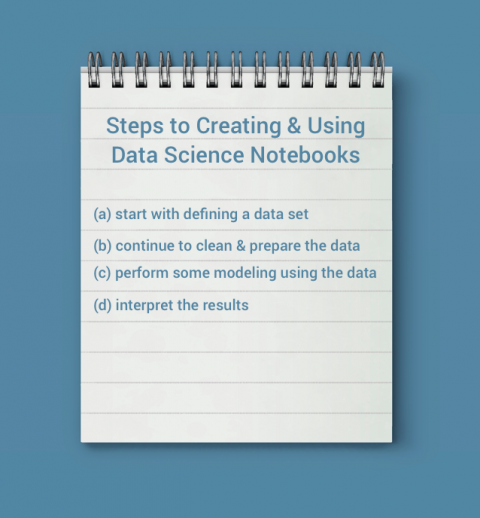
This year, at Sumo Logic’s third annual user conference, Illuminate 2018, we presented Sumo Logic Notebooks as a way to do data science in Sumo Logic. Sumo Logic Notebooks are an experimental feature that integrate Sumo Logic, notebooks and common machine learning frameworks. They are a bold attempt to go beyond what the current Sumo Logic product has to offer and enable a data science workflow leveraging our core platform.

How to Monitor Azure Services with Sumo Logic

This week at the Microsoft Ignite, we unveiled two new Sumo Logic applications for Microsoft Azure services — Azure SQL Database and Azure Active Directory — and two new native integrations with Azure Monitor and Blob Storage. As a cloud-native company, our goal at Sumo Logic is to give our customers the flexibility to create digital IT and DevOps initiatives that leverage multi-cloud deployments in Amazon Web Services (AWS), Google Cloud Platform (GCP) and Microsoft Azure.

Announcing the Sumo Logic Global Intelligence Service at Illuminate 2018

In today’s hyper-connected world, a company’s differentiation is completely dependent upon delivering a better customer experience, at scale, and at a lower cost than the competition. This is no easy feat, and involves a combination of many things, particularly adopting new technologies and architectures, as well as making better use of data and analytics.

Sumo Logic's Third Annual State of Modern Apps and DevSecOps in the Cloud Report is Here!

Imagine that you are tasked with architecting your mission-critical cloud application. Or migrating your on-premises app to the cloud. And you ask yourself “how do the cloud savvy companies like Twitter, Airbnb, Adobe, SalesForce, etc. build and manage their modern applications?”

How Our Customers Influence the Sumo Logic Product

Sumo Logic is no different than most companies — we are in the service of our customers and we seek to build a product that they love. As we continue to refine the Sumo Logic platform, we’re also refining our feedback loops. One of those feedback loops is internal dogfooding and learning how our own internal teams such as engineering, sales engineering and customer success, experience the newest feature. However, we know that that approach can be biased.

Understanding Sumo Logic Query Language Design Patterns

The Sumo query language can be a source of joy and pain at times. Achieving mastery is no easy path and all who set on this path may suffer greatly until they see the light. The Log Operators Cheat Sheet is a valuable resource to learn syntax and semantics of the individual operators, but the bigger questions become “how can we tie them together” and “how can we write query language that matters?”