Google Cloud Platform (GCP) App Template
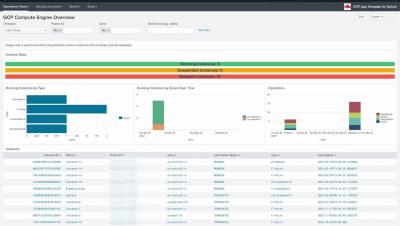
Google Cloud Platform (GCP) App Template, featured on Splunkbase, helps users visualize and troubleshoot with Google Cloud log data.


The latest News and Information on Log Management, Log Analytics and related technologies.
Telemetry data can provide businesses with valuable insights into how their applications and systems are performing. However, leveraging this data optimally can be a challenge due to data quality issues and limited resources. Our recent webinar, "Unlocking Business Performance with Telemetry Data", addresses this challenge.
Grafana Loki 2.8 is here — and it’s at least 0.1 better than Loki 2.7! Jokes aside, this release includes a number of improvements users will appreciate. In addition to graduating our TSDB index from Experimental to General Availability, we’ve added a number of nifty LogQL features, and we’ve made the Loki deployment and management experience much easier. This also marks the release of Grafana Enterprise Logs (GEL) 1.7.
For so many, the unknown sucks. Knowing or knowing what to expect is best. Why? Because it puts us at ease, and peace and gives us a calm sense of knowing without having experienced it yet. That’s part of my mission here at Cribl. I talk to a lot of people and the one consistent part of these conversations is the unknown.