The latest News and Information on Log Management, Log Analytics and related technologies.
Today I’m happy to announce that observIQ’s Stanza Log Agent will become a key part of the OpenTelemetry project. This has been in the works for many months and the team at observIQ is thrilled to see it becoming a reality. We’re particularly pleased to see it happening just as we launch our log management platform which will be the first platform to take full advantage of the log agent technology now incorporated into OpenTelemetry.
Even before new hybrid workforce models, many companies already moved a lot of services to the cloud. COVID-19 digital transformation strategies instantly increased the number of access points and endpoints. This led to a rapid increase in event log data followed by all kinds of other issues -- performance, availability, security, and ultimately increased IT costs amongst other things. A centralized log management solution for your cloud environment can help you manage the above and more.
Syslog takes its name from the System Logging Protocol. It is a standard for message logging and has been in use for decades to send system logs or event messages to a specific server, called a Syslog Server.
In a previous post, we went through a few input plugins like the file input plugin, the TCP/UDP input plugins, etc for collecting data using Logstash. In this post, we will see a few more useful input plugins like the HTTP, HTTP poller, dead letter queue, twitter input plugins, and see how these input plugins work.
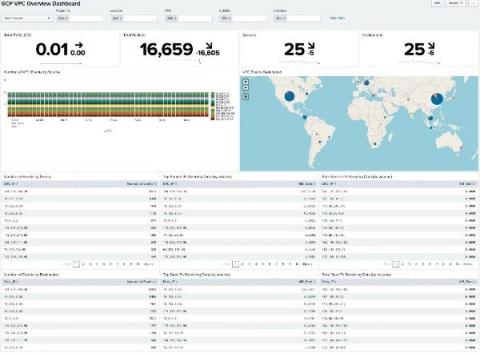
So you've set up a Google Cloud Logging sink along with a Dataflow pipeline and are happily ingesting these events into your Splunk infrastructure — great! But now what? How do you start to get meaningful insights from this data? In this blog post, I'll share eight useful signals hiding within Google Cloud audit logs that will help you uncover meaningful insights. You'll learn how to detect: Finally, we’ll wrap up with a simple dashboard that captures all these queries in one place.