The latest News and Information on Log Management, Log Analytics and related technologies.
Cloud services make the daily tasks of business easier. They enable remote workforce collaboration, streamline administrative tasks, and reduce capital costs. However, these “pros” come with a few “cons.” The IT stack’s increased complexity means staff work across divergent log management tools when something breaks. Centralized log management for the cloud makes root cause analysis easier by aggregating all event log data in a single location.
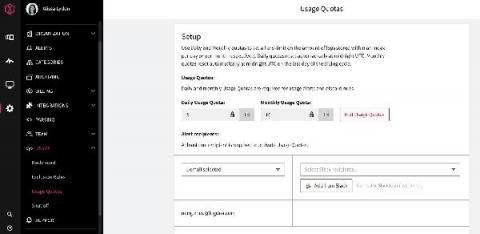
We built LogDNA around the idea that developers are more productive when they have access to all of the logs they need, when they need them. However, we also know that log management can get expensive fast. And, for anyone who owns the budget for developer tools, logs can be an unpredictable line item as you try to determine your monthly, quarterly or even annual spend.
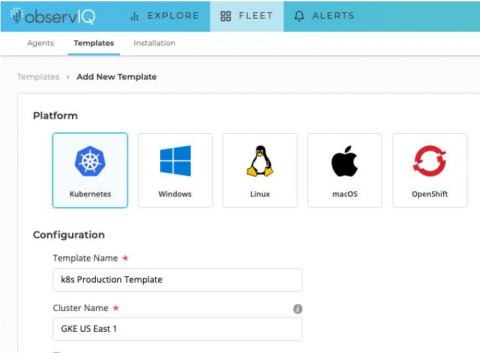
If you’re running a fleet of containerized applications on Kubernetes, aggregating and analyzing your logs can be a bit daunting if you’re not equipped with the proper knowledge and tools. Thankfully, there’s plenty of useful documentation to help you get started; observIQ provides the tools you need to gather and analyze your application logs with ease.
Today, I’m happy to share more about our partnership and commitment to our users that they will have the best possible experience of both Elasticsearch and Grafana, across the full breadth of Elasticsearch functionality, with dedicated engineering from both Grafana Labs and Elastic. Through joint development of the official Grafana Elasticsearch plugin users can combine the benefits of Grafana’s visualization platform with the full capabilities of Elasticsearch.
Splunk is a fantastic platform for ingesting, storing, searching and analysing data from logs, metrics and traces from a massive variety of sources. But does that mean we should ignore all of that data that doesn’t fall into these categories, like image and video data for example? Of course not!
Any organization with data assets is a possible target for an attacker. Hackers use various forms of advanced cyberattack techniques to obtain valuable company data; in fact, a study by the University of Maryland showed that a cyberattack takes place every 39 seconds, or 2,244 times a day on average. This number has increased exponentially since the COVID-19 pandemic forced most employees to work remotely, and drastically increased the attack surface of organizations around the world.