Operations | Monitoring | ITSM | DevOps | Cloud

Two Methods for Connecting to InfluxDB 3.0

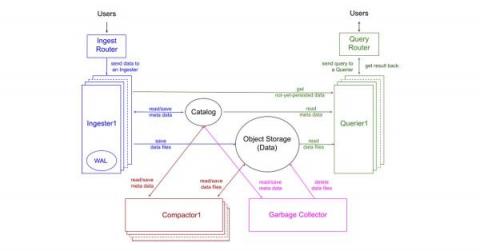
InfluxDB 3.0 has 10x better storage compression and performance, supports unlimited cardinality data, and delivers lightning-fast SQL queries compared to previous versions. These gains are the result of our new database engine built on top of Apache Arrow. Apache Arrow processes huge amounts of columnar data and provides a wide set of tools to operate effectively on that data.

Unleash the power of Elastic and Amazon Kinesis Data Firehose to enhance observability and data analytics

As more organizations leverage the Amazon Web Services (AWS) cloud platform and services to drive operational efficiency and bring products to market, managing logs becomes a critical component of maintaining visibility and safeguarding multi-account AWS environments. Traditionally, logs are stored in Amazon Simple Storage Service (Amazon S3) and then shipped to an external monitoring and analysis solution for further processing.

Elastic Enterprise Search 8.8: Easy AI-powered search for your enterprise

Elastic Enterprise Search 8.8 seamlessly bundles new Elastic developed semantic search capabilities with an expanding catalog of open code database and storage connectors. Additionally this release adds rich capabilities to measure and simplify adding features to your search application. These new capabilities allow customers to: Elastic Enterprise Search 8.8 is available now on Elastic Cloud — the only hosted Elasticsearch offering to include all of the new features in this latest release.

How to monitor Snowflake with Grafana Cloud

Snowflake is a cloud-based data warehousing platform that allows organizations to store, manage, and analyze large amounts of data. It offers a scalable, secure, and highly available solution that separates storage and computing resources. We already offer the Snowflake datasource plugin, which allows you to query and visualize data from your Snowflake Data Cloud on your Grafana dashboards.

Maximize cloud efficiency: how to cut costs and keep uptime strong

As you move more of your workloads to the cloud, cloud infrastructure costs can quickly become a significant expense. To efficiently and successfully run your applications in the cloud, it’s crucial to take a look at your overall TCO (Total Cost of Ownership) from multiple lenses. In this fireside chat, Mike Zimberg, CTO at Digital Asset Research shares how they achieved a 99.99% uptime, while lowering their managed Apache Kafka® costs by 10% and improving their performance by 10x. Heikki Nousiainen, Aiven’s field CTO and co-founder, shares his expertise in the discussion as well.

Data Aggregation 101: Definition, Uses & Benefits

By 2025, more than 180 zettabytes of data will have been created and captured around the globe. With the influx of data in this digitized world, the process of data aggregation has become an essential tool for businesses. It’s a way to take large amounts of separate data from different sources and combine them into one collective body.

An Introduction to Using OpenTelemetry & Python Together

This post was written by Mercy Kibet, a full-stack developer with a knack for learning and writing about new and intriguing tech stacks. In today’s digital world, software applications are becoming increasingly complex and distributed, making it more challenging than ever to diagnose and troubleshoot issues when they arise.

Left, Right, Center: A 3 Step Dance to Success with Building Data Pipelines

Remember the first time you were at a wedding, or a party and you learned about dances like The Electric Slide? You know, those dances with a clear structure and steps to follow, which were a huge help to someone who was slightly challenged on the dance floor, like me? All you had to do was learn a few simple steps, and you could hang with even the best dancers.