A SOFT methodology to define robust data platforms
Making robust and future-proof decisions about your data setup can be complex. The SOFT methodology is here to guide you to the right choices for your needs.


The total transaction value of digital payments is projected to exceed $1.7 billion by the end of 2022. Each one of these transactions generates masses of data that contains critical insights for merchants, payment service providers, acquirers, fintechs, and other stakeholders in the payments ecosystem. Having real-time access to these insights has the power to drive growth through customer and market understanding.
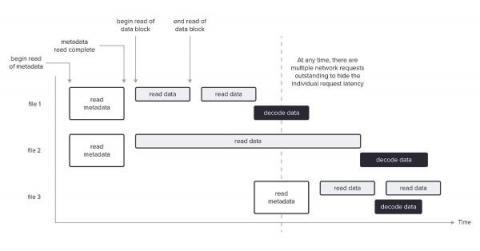
We believe that querying data in Apache Parquet files directly can achieve similar or better storage efficiency and query performance than most specialized file formats. While it requires significant engineering effort, the benefits of Parquet’s open format and broad ecosystem support make it the obvious choice for a wide class of data systems.
Companies need to consider both how fast they can put edge applications into action and update them, and how quickly they can process incoming data. Industrial processes are becoming increasingly automated as sensors on machines collect a growing amount of data. Much of this data is time-stamped and can help companies improve processes. This large volume of sensor data can become unwieldy if companies don’t manage it properly.
At InfluxData, we pride ourselves on building a platform – InfluxDB – for developers, by developers. It’s not enough to simply “talk the talk.” As an engineering leader, it’s really important to me that InfluxData “walks the walk,” too. This requires a holistic understanding of our users, their familiarity with time series, the environments in which they work, and the problems they’re trying to solve.
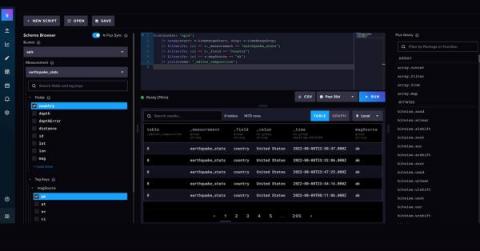
If seeing is believing, then the new UI for the InfluxDB query experience is sure to convert you. We are working on a new query/script editor and want you to try it out. Feel free to share your feedback with us so we can make it even better! Here are just some of the highlights of the new editor.