Paranormal app activity: how to avoid unexpected failures of serverless applications
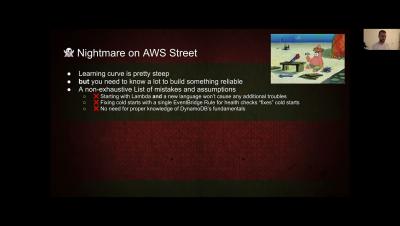
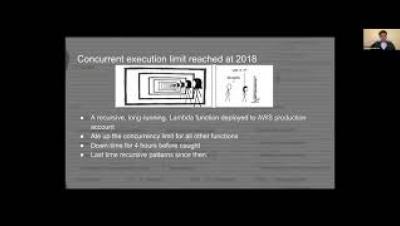
Sharing some of our own horror stories and tips on reducing unexpected failures of serverless applications.


The latest News and Information on Cloud monitoring, security and related technologies.
Our shared future has always been profoundly enigmatic. Hoary seers from days of yore would never have predicted everyday life as it is now. It would have been impossible to guess most of what has already happened in the 21st century. Peering into crystal balls would have proved equally futile. Even an attempt to make well-educated guesses about possible issues with big data would likely have been way off the mark.
All too often, the Kelverion team hear that businesses are trying to deliver more services with less resource, all whilst meeting tight Service Level Agreements. There are many automation use cases to relieve this pressure, and this article explores the six use case examples driving automation adoption within service management.
Whether you are moving your applications to the cloud or modernizing them using Kubernetes, observing cloud-based workloads is more challenging than observing traditional deployments. When monitoring on-prem monoliths, operations teams had full visibility over the entire stack and full control over how/what telemetry data is collected (from infrastructure to platform to application data).