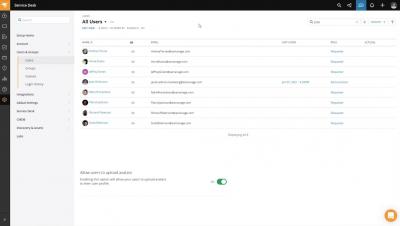
SolarWinds Service Desk User Provisioning with Microsoft Azure
The video will walk customers through the process of configuring User Provisioning between SWSD and Microsoft Azure.


The latest News and Information on Cloud monitoring, security and related technologies.
More and more, we see our clients moving their workloads from clunky on-premise data centers to nimble cloud platforms, orchestrated container environments, such as Kubernetes and Red Hat OpenShift, or a combination of both. The technical aspects of such a migration are typically well-known. Your IT staff does a great job managing these environments: Still, there is one more aspect of managing these environments that is often overlooked — cost.
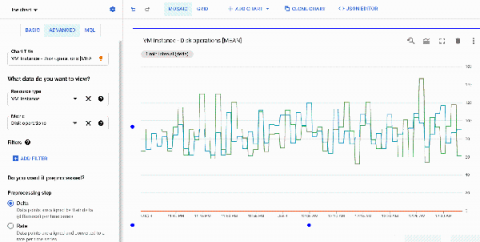
More than two years ago, the Google team began collaborating with Grafana Labs to build a data source plugin for Google Cloud Monitoring (then known as Stackdriver). Today, Grafana ships with built-in support for Google Cloud Monitoring, allowing users to add it as a data source and quickly get started building dashboards for Google Cloud Monitoring metrics. We’ve continued to make improvements on the plugin, and we’ll share in this blog post a few new features we’ve built.
Azure, AWS, and GCP cloud services are invaluable to their enterprise customers. When providers like Microsoft are hit with DNS issues or other errors that lead to downtime, it has huge ramifications for their users. The recent Azure cloud services outage was a good example of that. In this post, we’ll look at that outage and examine what it can teach us about enterprise cloud services and how we can reduce risk for our own applications.
We asked seven serverless experts, knowing what they know now, what piece of advice would they give to their past selves on moving to serverless. Here’s what they had to say: Ben Ellerby, AWS Serverless Hero and VP of Engineering at Theodo Serverless is a mindset change, bring your teams with you on the journey. Show them the power of Serverless hands-on – and invest in the developer experience of your pipelines from day 1. Ben Smith, Senior developer advocate for serverless at AWS.
When you grow your peak concurrent users by 5x nearly overnight, ensuring that your operations can successfully support that growth can be a make or break for your success. Rocket League is a popular online multiplayer game created by Psyonix described as arcade-style soccer and vehicular mayhem. In the summer of 2020, the game maker decided to switch the business model of the game from an upfront purchase to a free to play model.