Operations | Monitoring | ITSM | DevOps | Cloud


The latest News and Information on Containers, Kubernetes, Docker and related technologies.


Qovery Demo Day Summary - May 2022
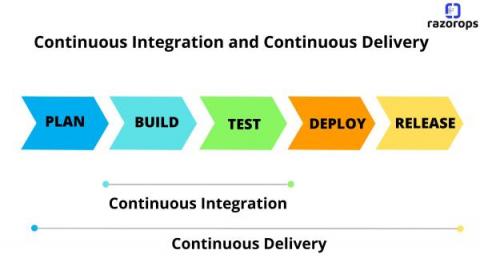
What is Continuous Integration and Continuous Delivery?
Continuous integration is a DevOps practice, where developers continuously integrate the code changes into a central repository. It most often refers to the build or the integration stage of the software release process. A continuous integration service helps to automatically build and run unit tests on the new code changes to find any errors instantly.

What's New in Rancher 2.6.5?
With KubeCon underway, many of us in the cloud native community are looking forward to learning about the newest innovations from the companies we follow. At SUSE, we’ve been working hard to deliver some new enhancements to Rancher with our 2.6.5 version. I want to briefly take you through the highlights of this release and why we’re excited about these new additions.

Supercharge Your FinOps Investment with Optimization
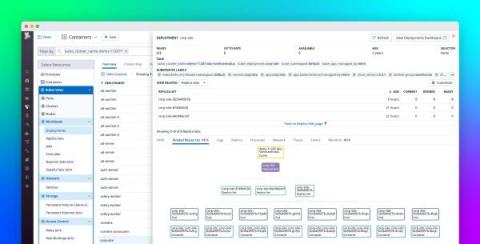
Visualize relationships between your Kubernetes resources with Datadog Live Containers
A Kubernetes environment includes a wide range of resources—such as clusters, nodes, and pods—that work together to run dynamic applications at scale. In order to monitor a Kubernetes application effectively, you need a multi-dimensional view into your clusters’ health that encompasses the complex dependency relationships among these resources.
Troubleshoot Kubernetes 10x Faster With Sysdig Advisor

Sysdig Advisor: Making Kubernetes troubleshooting effortless
The cloud, Kubernetes, CI/CD, DevOps, GitOps… the last five years have seen a huge transformation in how organizations are architecting and shipping applications. It’s hard to keep up with the pace and learn all of this new tech! Nearly 55% of respondents to Canonical’s 2021 Kubernetes and cloud native operations report highlighted how the lack of sufficient in-house skills and people power is the biggest challenge that Kubernetes brings to businesses.

New release of Sysdig Open Source leverages Falco plugins
Sysdig maintainers are thrilled to announce the latest release of our beloved OSS tool for analyzing and/or recording the activity of processes and containers on a Linux system. You can find the full CHANGELOG in the GitHub repository, but here are some highlighted features: Note: The 0.29.1 has been released with a bug fix shortly after we started to write this post.