Operations | Monitoring | ITSM | DevOps | Cloud

The latest News and Information on Containers, Kubernetes, Docker and related technologies.

Use Case: Improving Developer Experience with Data Science

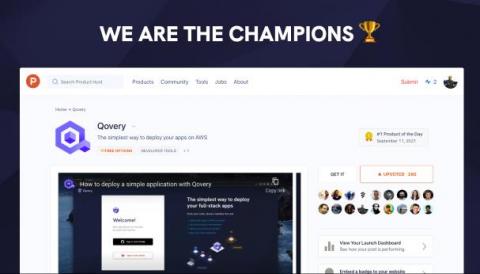
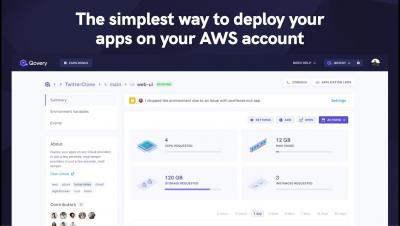
Qovery is a continuous deployment platform. Users deploy apps of all kinds, written in any language and framework they choose. The freedom users have come with a cost for the Qovery core team - the broad scope Qovery has to cover, makes it harder to make the deployment process stable and straightforward for everybody. It's easy to create a service focused on just one language or framework - supporting all of them requires considering many more factors.

Prometheus monitoring with Sysdig

Prometheus is the de-facto standard for monitoring Kuberentes and cloud-native applications. However, as your Prometheus environment grows, it gets more and more complicated to use and maintain. Prometheus exporters need to be selected, installed, configured, and updated. And PromQL has a steep learning curve. How can you focus on your business, instead of building a monitoring solution?

Kubernetes observability challenges in cloud-native architecture

Kubernetes is the de-facto platform for orchestrating containerized workloads and microservices, which are the building blocks of cloud-native applications. Kubernetes workloads are highly dynamic, ephemeral, and are deployed on a distributed and agile infrastructure. Although the benefits of cloud-native applications managed by Kubernetes are plenty, Kubernetes presents a new set of observability challenges in cloud-native applications. Let’s consider some observability challenges.

GitOps Workshop

On August 11th, 2021, we conducted a workshop to discuss implementing a GitOps workflow using ArgoCD, Crossplane, and Shipa. We were overwhelmed by the hundreds of people who registered for the session. We believe it shows a few important challenges have to be solved for GitOps to become mainstream across different enterprises. While GitOps brings many benefits, we often see teams facing challenges.

Speedscale Announces New Software Release: Traffic Viewer for API Visibility in Kubernetes Clusters

We are excited to announce a new global release of our software with unique API visibility features to help organizations discover problems with their cloud services well before they impact customers in production.

Troubleshoot GKE apps faster with monitoring data in Cloud Logging

When you’re troubleshooting an application on Google Kubernetes Engine (GKE), the more context that you have on the issue, the faster you can resolve it. For example, did the pod exceed it’s memory allocation? Was there a permissions error reserving the storage volume? Did a rogue regex in the app pin the CPU? All of these questions require developers and operators to build a lot of troubleshooting context.

Troubleshooting Feature Flags with Komodor and Sentry

Komodor is a Kubernetes-native platform we’ve created to streamline troubleshooting. It was born out of frustrations we felt as developers, when we were required to waste hours of our time on troubleshooting, instead of focusing on what we really wanted to do - creating and innovating. Komodor sits on top of your K8s cluster and integrates with every existing tool you have, be it CI/CD, repo, monitoring, alerting, or communication.

How to Run HAProxy with Docker

Can you run HAProxy as a Docker container? Yes! Did you even need to ask? Docker is ubiquitous these days and you’ll find that many applications have been Docker-ized; the HAProxy load balancer is no exception. Pardon the cliché, but HAProxy was born for this. As a standalone service that runs on Linux, porting it to Docker certainly seemed natural. Why would you want to run your load balancer inside of a Docker container? Are their performance penalties when doing so?