The latest News and Information on Containers, Kubernetes, Docker and related technologies.
As with all start-ups, especially for a cloud provider, access to funds is imperative to build and scale quickly – after all building out new data centre regions doesn't come cheap! So in recent months we quietly opened a seed round to acquire $2.8m worth of funding – giving Civo a pre-money valuation of $16,800,000. Since launching into beta nearly 2 years ago, we’ve had tons of VC companies knocking on our door, but at this stage we decided not to take VC money.
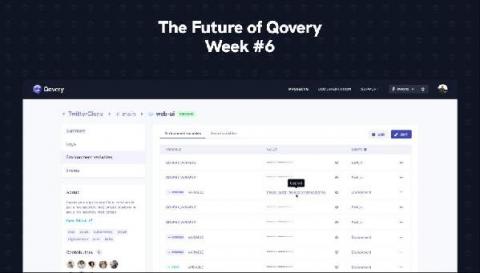
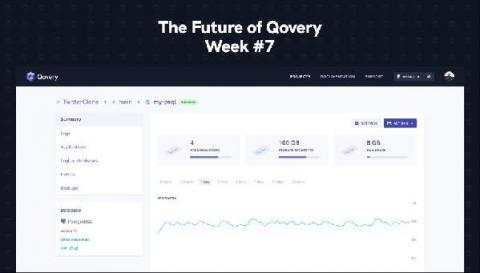
During the next six weeks, our team will work to improve the overall experience of Qovery. We gathered all your feedback (thank you to our wonderful community 🙏), and we decided to make significant changes to make Qovery a better place to deploy and manage your apps. This series will reveal all the changes and features you will get in the next major release of Qovery. Let's go!
Today, Canonical announces full enterprise support for Kubernetes 1.21, from cloud to edge. Canonical Kubernetes support covers MicroK8s, Charmed Kubernetes and kubeadm. Starting with 1.21, moving forward Canonical commits to supporting N-2 releases as well as providing extended security maintenance (ESM) and patching for N-4 releases in the stable release channel.
Since the release of CVE-2020-8554 on GitHub this past December, the vulnerability has received widespread attention from industry media and the cloud security community. This man-in-the-middle (MITM) vulnerability affects Kubernetes pods and underlying hosts, and all Kubernetes versions—including future releases—are vulnerable. Despite this, there is currently no patch for the issue.
In my first post in the Kubernetes Logging Simplified blog series, I touched on some of the ‘need to know’ concepts and architectures to effectively manage your application logs in Kubernetes – providing steps on how to implement a Cluster-level logging solution to debug and analyze your application workloads. In my second post, I’m going to touch on another signal to keep an eye on: Kubernetes events.
System and application logs provide crucial data for operators and developers to troubleshoot and keep applications healthy. Google Cloud automatically captures log data for its services and makes it available in Cloud Logging and Cloud Monitoring. As you add more services to your fleet, tasks such as determining a budget for storing logs data and performing granular cross-project analysis can become challenging.