Automated Kubernetes Optimization with Helm
See how Helm can be used to automatically configure the optimal resource specification for each Kubernetes (K8s) container, whenever an application is installed or upgraded.


The latest News and Information on Containers, Kubernetes, Docker and related technologies.
If you’re a developer, a DevOps engineer or just a person fascinated by the unprecedented growth of Kubernetes, you’ve probably scratched your head about how to get started. MicroK8s is the simplest way to do so. Canonical’s lightweight Kubernetes distribution started back in 2018 as a quick and simple way for people to consume K8s services and essential tools.
In an age of virtualization and cloud computing, developers increasingly use Kubernetes’ open-source platform to manage containerized workloads and services. Kubernetes container became popular because it was impossible to define a resource boundary for multiple applications in a traditional CPU environment. Misuse of resources created an inefficient environment.
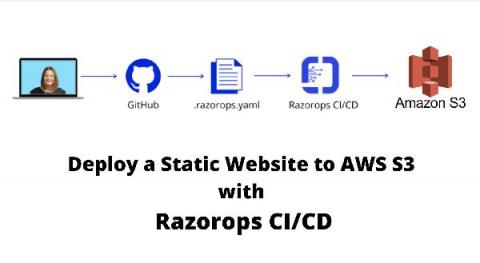
Follow this post to deploy your static website using aws s3 free of cost just in 15 min.
Detecting malicious processes is already complicated in cloud-native environments, as without the proper tools they are black boxes. It becomes even more complicated if those malicious processes are hidden. A malware using open source tools to evade detection has been reported. The open source project used by the malware is libprocesshider, a tool created by Sysdig’s former chief architect Gianluca.
As with all start-ups, especially for a cloud provider, access to funds is imperative to build and scale quickly – after all building out new data centre regions doesn't come cheap! So in recent months we quietly opened a seed round to acquire $2.8m worth of funding – giving Civo a pre-money valuation of $16,800,000. Since launching into beta nearly 2 years ago, we’ve had tons of VC companies knocking on our door, but at this stage we decided not to take VC money.