Kubernetes has drastically simplified application deployment. However, managing workloads in Kubernetes is a challenge because of their innate complexity and dynamism. Frequent bottlenecks and unpredictable application behavior can make managing Kubernetes workloads much harder. This has become simpler and lighter after the expansion of AI, which provides a more intelligent approach to managing and optimizing Kubernetes environments.
In the wake of Broadcom’s acquisition of VMware, the world of virtualization is in flux. Customers, especially those reliant on VMware’s Pivotal Cloud Foundry (PCF), are feeling uncertain about the future. This blog post is designed to guide customers through the specific hurdles they now face due to the acquisition, explore Kubernetes (K8s) as an alternative to PCF, and discuss how Komodor can help with a K8s migration.
We are proud to announce that Qovery has been officially accepted into the AWS ISV Accelerate Program as of October 21, 2024. This strategic achievement is a game changer for both Qovery and our customers, offering new avenues for collaboration and growth through an integrated go-to-market approach with AWS.
In the ever-evolving DevOps and site reliability engineering (SRE) landscape, Kubernetes stands out as a pivotal technology, revolutionizing how we deploy, scale, and manage containerized applications. K8s offers powerful orchestration capabilities, ensuring our applications are resilient and can scale seamlessly to meet varying demands. However, as robust as Kubernetes is, managing it efficiently requires significant expertise and effort.
When selecting a cloud migration partner, it’s essential to evaluate their capabilities, experience, and alignment with your business needs. Here’s a guide on what to look for.
Kubernetes has become the dominant orchestration platform for cloud-native apps– and for good reason. It can be a powerful tool in your software development lifecycle. But how do you know if your Kubernetes-based app can handle the demands of production traffic? Kubernetes alone isn’t always enough to ensure your app’s performance under load. In many cases, it is, but it’s always wise to know your application’s limits.
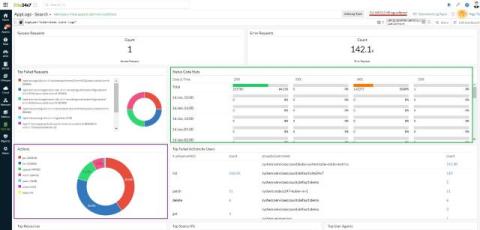
In a dynamic environment like Kubernetes, where manual tracking is impossible, AI-powered monitoring tools, such as Site24x7, surf through enormous amounts of data, detecting irregularities, predicting vulnerabilities, and alerting the user about a possible outage that is about to happen if the resource is not handled.
Let’s be real, we’ve never been huge fans of conventional unstructured logs at Honeycomb. From the very start, we’ve emitted from our own codestructured wide events and distributed traces with well-formed schemas. Fortunately (because it avoids reinventing the wheel) and unfortunately (because it doesn’t adhere to our standards for observability) for us, not all the software we run is written by us.