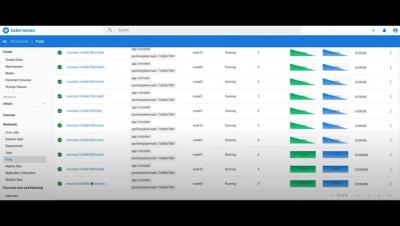
Upgrading Kubernetes from 1.18 to 1.19
In this short demo, we walk you through how to upgrade from Kubernetes 1.18 to 1.19 using Canonical's tools and technologies.


The latest News and Information on DevOps, CI/CD, Automation and related technologies.
In Part 1 of this series, we discussed key VMware vSphere metrics you can monitor to help ensure the health and performance of your virtual environment. In this post, we’ll cover how you can access these key vSphere metrics using a few of VMware’s internal monitoring tools. We’ll also show you how and where to access VMware events and logs to help you gain further insight into your virtual environment.
In Part 2 of this series, we looked at how to use vSphere’s built-in monitoring tools to get insight into core components of your vSphere environment, including virtual machines and their underlying hardware. Next, we’ll show you how to use Datadog to get complete end-to-end visibility into the physical and virtual layers of your vSphere environment.
VMware’s vSphere is a virtualization platform that allows users to provision and manage one or more virtual machines (VMs) on individual physical servers using the underlying resources. With vSphere, organizations can optimize costs, centrally manage their infrastructure, and set up fault-tolerant virtual environments.
Today’s generation of makers, artists and creatives have reinforced the idea that great things can happen when you roll up your sleeves and try to learn something new and exciting. Kubernetes was like this only a couple of years ago: the mere act of installing the thing was a rewarding challenge. Kelsey Hightower’s Kubernetes the Hard Way became the Maker’s handbook for this artisan craft.