The latest News and Information on DevOps, CI/CD, Automation and related technologies.
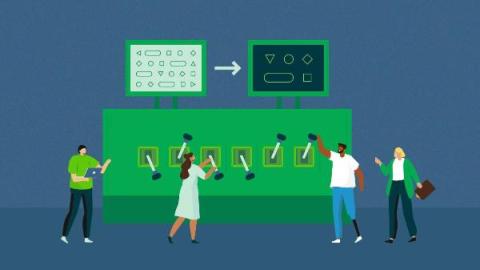
Kubernetes integrations are now available for AutoSys, dSeries, and Automic Automation. It wasn’t that long ago that teams in many organizations started dipping their toes into the world of containers and microservices. It didn’t take long for this approach to application development and orchestration to take hold, and for Kubernetes to emerge as a dominant, broadly used technology.
As software engineers, we all know that troubleshooting often involves sifting through heaps of data points — scanning metrics, reading logs, checking resource status and analyzing events. We manually connect the dots, and if we're experienced enough, we might spot an issue that's about to become a problem. At StackState, we've faced these same challenges.
This is the fourth part of the “Implementing Backstage” series and explores how to ensure your Backstage application is secure and how Backstage can contribute to more secure practices in general. The previous installments focused on how to get started, using the core features, and integrating with existing tools using plugins. If you’re unfamiliar with Backstage and need an introduction, check out part one of the “Evaluating Backstage” series.
Amazon Simple Email Service (SES) is a cost-effective email service provided by AWS. It is by far the cheapest option available out there. Comparing the cost of sending emails with SES and other services like SendGrid or Mailchimp, it can be 100x cheaper. However there is a catch. Using SES directly, you will not get some of the features you might need to control the bounce rate of your emails.