Operations | Monitoring | ITSM | DevOps | Cloud

The latest News and Information on DevOps, CI/CD, Automation and related technologies.

What Is AWS Graviton? Here's When To Use It

When Amazon Web Services (AWS) launched its new Arm-based processors, some circles believed it was a game-changer for the public cloud markets. To begin with, it was the first time Arm architecture would roll out for enterprise-grade utility, and at a colossal scale. Arm processors had only run on smaller, less demanding devices such as iPhones. So why adopt it for much more demanding workloads in cloud services?


Azure Cost Reporting to boost cloud resilience and reduce costs

Managing costs within your Azure datacenter is a crucial aspect of ensuring efficiency and optimizing resources. The Azure portal has Azure Cost Management Reports embedded, offering a detailed lens into your cloud spending. In this article, we’ll explore the ins and outs of these reports, their key metrics, best practices, and how to generate and interpret cost reports.

Azure Pay as You Go Vs Reserved Instances

When dealing with public cloud computing, deciding to reserve or pay-as-you-go for your resources is generally seen as a strategic chess move – it requires foresight, planning, and a clear understanding of your organization’s needs. In this article, we’ll browse through the nuances of this decision-making process, exploring overviews, benefits, limitations, pricing considerations, break-even points, and ultimately, as a desired outcome, reaching a well-informed conclusion.

Strategic Software Selection with Portfolio Analysis

Portfolio Analysis is a strategic process that evaluates potential software vendors in a business investment portfolio. This method assesses risk and potential returns by considering factors such as vendor stability, technological maturity, and alignment with the organization's strategic goals. By implementing Portfolio Analysis in software vendor selection, organizations can optimize their overall software portfolio.

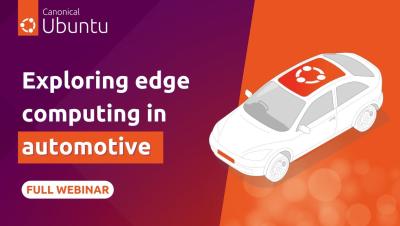
Exploring edge computing in automotive

From autonomous cars to factories: how data processing at the edge will transform automotive Automotive is at the forefront of innovation, but challenges always come with change. One of those challenges is processing data in decentralised environments like factories or vehicles. In this webinar, you will learn about automotive use cases that require local data processing for confidential reasons, or simply due to networking constraints. We will also discuss what edge clouds bring to the table and how Canonical’s MicroCloud addresses the automotive industry’s edge computing challenges.

Configuration as Code: Everything Developers Need to Know

Configuration as code (CaC), a practice that involves setting up operating systems and software through configuration files, has quickly become an essential concept for software developers and DevOps teams. The key reason for this is that CaC integrates seamlessly with CI/CD and version control pipelines, a game-changing benefit discussed in this article.

Komodor Joins Forces with Cisco FSO to Elevate Kubernetes Management to New Heights

We at Komodor are excited to announce our groundbreaking integration with Cisco Full-Stack Observability (FSO). This collaboration marks a significant milestone in Kubernetes Continuous Reliability, bringing together the best of both worlds to redefine Kubernetes management.

5 Ways You Can Use Automation To Optimize Your Cloud Spend

Automation is the result of taking a manual task or process and making it automatic with little to no manual intervention. It plays a crucial role in optimizing your cloud spend, as it can be applied to save several hours in various scenarios within your service’s operation. Here, at CloudZero, discussing automation is no stranger to us. We have information about what automation is and some common tools to help in this guide.

Monitor your OpenStack components with Datadog

OpenStack is an open source cloud platform that enables customers to provision and manage compute, storage, and networking resources via web-based dashboards or APIs. OpenStack offers a range of services beyond standard infrastructure-as-a-service functionality, including orchestration, fault management, and service management components. These components help customers build, maintain, and scale high-availability applications.

Mastering IPM: Protecting Revenue through SLA Monitoring

If you’re an SRE, then you already know your SLOs from your SLAs, not to mention your SLIs. But even if you’re not au fait with those acronyms, you’ll soon discover how widespread and applicable these concepts are in this installment of our IPM Best Practices Series. We’ll explore these concepts in detail and explore how external monitoring can enhance the tracking of Service Level Objectives (SLOs), leading to positive user experiences and informed decision-making.