Operations | Monitoring | ITSM | DevOps | Cloud

Virtual Presence: Perfecting Your Video Interview Technique

In today's digital world, video interviews are becoming more common. Whether you're applying for a job, participating in a remote meeting, or just catching up with friends and family, knowing how to present yourself well on camera is important. This article will guide you through the best practices for video interviews, ensuring that you come across as confident and professional.


Quantifying the Invisible: Strategies for Effective Cyber Risk Assessment

In today's digital age, businesses of all sizes face the growing threat of cyberattacks. These attacks can range from small data breaches to large-scale ransomware incidents that disrupt entire operations. Because of this, understanding and managing cyber risks is crucial. One of the most important ways to do this is through cyber risk assessment. But how do you measure something that's not always visible? This article will explore strategies for effective cyber risk assessment and help you understand how to protect your business from cyber threats.

The Art of Member Engagement: Next-Level Management Techniques

Engaging members effectively is crucial for any organization. Whether you're managing a club, association, or online community, keeping members involved and motivated is essential for long-term success. This article will explore various techniques to enhance member engagement and ensure your community thrives.

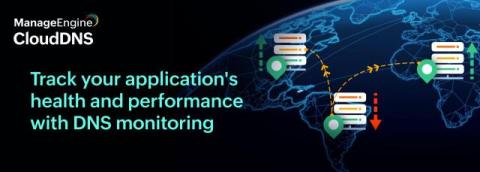
What is DNS monitoring? How it helps improve the performance of your network services

DNS service management tools are currently considered a crucial element by many organizations, as they simplify the administration and issue detecting activities for admins. Along with streamlining DNS service for elevating organization’s network service for clients. Despite managing and automating DNS activities across different DNS service providers, every DNS tool has one key feature that every organization rely on: DNS monitoring.

Mastering network segmentation with OpManager Plus

Have you ever felt like your network is a tangled web of wires and connections, a ticking time bomb waiting to explode into chaos? As businesses grow, their networks become increasingly complex, making it difficult to maintain smooth operations and robust security. Network segmentation is a strategy that divides your network into smaller, more manageable sections, similar to creating different colored zones in a city.

MySQL String Functions in Action

What’s so special about MySQL? Why do most developers choose this relational system for managing databases? MySQL is widely used primarily because it’s based on the Structured Query Language (SQL), which is a perfect fit for accessing and handling records. Additionally, MySQL attracts users with its scalability and robust performance. This post will focus on another advantage that should be mentioned to highlight the value of MySQL.

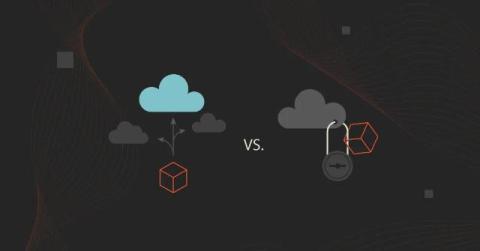
Cloud Agnostic Vs. Cloud Native: Key Differences And Use Cases

The cloud computing space is constantly evolving — a fact that can sometimes set the stage for inconsistencies and confusion around both industry terminology and best practices. Cloud agnostic is one of those confusing terms, as is cloud native. But with the number of cloud agnostic and cloud native applications growing, it’s important to set the record straight.

Simplified Database Schema Upgrades for Icinga Web and Modules

With the release of Icinga Web 2.12, we’ve streamlined and simplified the process for performing database schema upgrades for both Icinga Web and its modules. This new feature not only indicates when an upgrade is pending but also allows for automatic execution of the upgrade. Previously, users had to consult the upgrade documentation and perform the upgrade manually. While it’s still important to read the upgrade documentation, this new feature simplifies the process significantly.

OpenTelemetry Is The Strategic Choice

OpenTelemetry (OTel) should be at the heart of your observability strategy. There is no longer a need to pay for the collection of telemetry data; instead, use the unified OTel standard for all your telemetry data. Once you have the data in a standard form, you can choose where to process it, either on your own servers or via one of many SaaS providers.