Rollup and Vite plugin for JavaScript
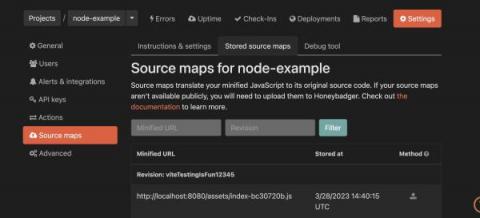
We just published a plugin for Rollup and Vite to automatically upload JavaScript source maps to the Honeybadger API.


We just published a plugin for Rollup and Vite to automatically upload JavaScript source maps to the Honeybadger API.
Honeybadger's new incident management feature lets you report incidents in real time, schedule alerts for upcoming maintenance, or retroactively insert an update for past incidents.
While a public status page *does* foster transparency and trust with users, sometimes you just need to save face. And hey, you're a tech behemoth—you can get away with it.
CloudFront Functions allow you to deploy serverless JavaScript functions to AWS' network of edge locations to be executed as close as possible to end-users. This article will get you started.
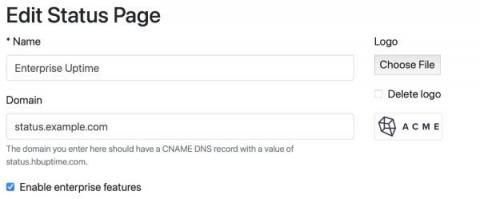
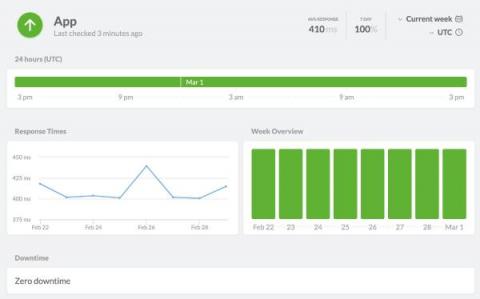
A public status page conveys your service's health and availability to your internal and external users—fostering transparency and trust. We've launched a new status pages feature, adding support for custom domains and branding!
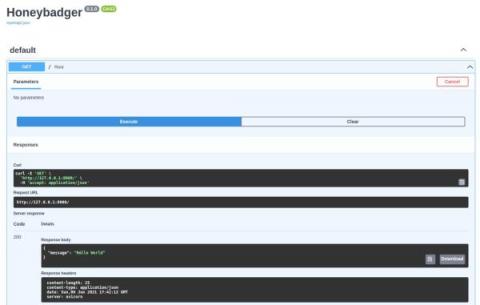
FastAPI is a high-performance web framework for building APIs with Python that has been growing in popularity. In this article, Stefano Frassetto shows us how to set up error monitoring for a FastAPI app using Honeybadger.
Every application has errors. It's how you respond to them that makes the difference. In this article, Ashley Allen shows us how to use Honeybadger to make sure your Laravel apps are performing as they should.
Good news, Crystal developers! We just shipped an official Crystal shard for Honeybadger. Track errors and keep your users happy.
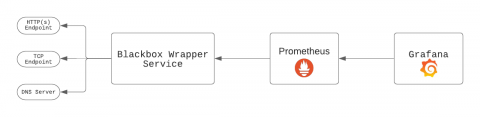
Google Cloud Platform provides developers with many tools to build scalable apps in a way friendlier than AWS. In this article, Olasubomi Oluwalana shows us how we can use the Google Cloud Engine, Storage, and PubSub offerings to build an uptime monitoring system in Ruby.
Node.js projects in Honeybadger can now officially take advantage of source maps, just like Client-Side JavaScript projects can.