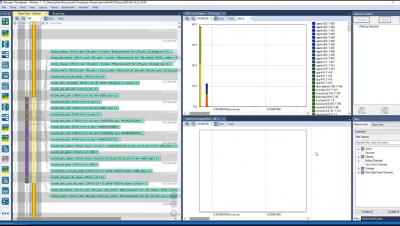
Getting started with Tracealyzer for Linux
A brief introduction on how to get started with the Linux tracing support in Tracealyzer v4.4 Beta.


Is Ubuntu an enterprise Linux distribution? If you are asking, you are probably wondering if you can use Ubuntu anywhere else other than your workstation or development environment. Perhaps you are wondering whether you can implement Ubuntu in your enterprise, including production environments? If that is the case, I have good news for you. Yes. Ubuntu is an enterprise Linux distribution with full commercial support provided by Canonical, the publisher and maintainer of Ubuntu.
TL;DR note: if you want the bzip2 -9 version of this post, scroll down to the very last section for some quick pointers. If you want to learn a bit about Linux system logs, please continue, as we’ll talk about all these and more.
While searching for your next GNU/Linux enabled computer, you may have found that some vendors such as Dell, HP and Lenovo sell a selection of desktops and laptops with Ubuntu pre-installed. In fact, Ubuntu is certified on an ever-growing list of hardware. But what does it mean exactly for such a device to be “Ubuntu certified”, and how does this happen? Let’s find out.
With several countries finally emerging from lockdowns and markets showing signs of economic recovery, we’ve seen the newscycle steadily shift its focus away from Covid-19. And that will be reflected in our robotics recap as well. Let’s get right to it.
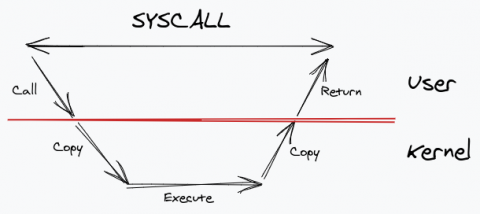
In Linux, system calls (syscalls) are at the heart of everything. They are the primary interface through which an application interacts with the kernel. Therefore, it is vital that they are fast. And especially in a post-Spectre/Meltdown world, this is all the more important.
Implementing infrastructure using open-source software significantly reduces the total cost of ownership (TOC) of your infrastructure. Over the last few years, we’ve seen more and more companies moving to open source. These include Netflix, Uber, Visa, eBay, Wikipedia and AT&T. And this trend will only continue to grow. The migration is driven by better economics, improved flexibility, better integration capabilities and thus, the higher business value provided by the open source software.