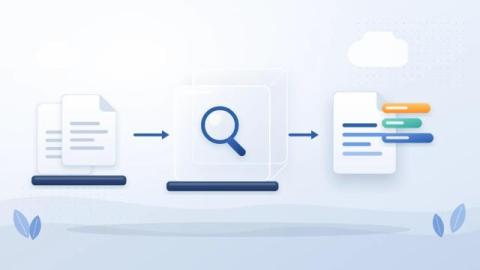
How to classify data in SharePoint Online: classifiers, labels, auto-labeling and on-demand scans, where each one stops, and how to reach archived content.
Railway-hosted domains returned HTTP 404 to new connections in all four Railway regions on September 30, 2026, for about five minutes between roughly 07:35 and 07:40 UTC. This happened after a new version of Railway's routing service went live before the database schema change it depended on had been applied.
DNS Check can now send a signed HTTPS request to any URL you choose whenever a monitored DNS record starts failing or starts passing again. If you've ever copied the details out of a DNS Check alert email into a ticket or a script, a webhook can do that step for you.
Every engineering team has unit tests. They tell you the code still works. They tell you nothing about what the model started saying. This demo wires a single eval gate script into a git pre-push hook, so Splunk Agent Observability scores every agent's output before the push is allowed through. Luna, an on-premise small language model, runs as a synchronous judge against fixed thresholds. Fail one, and the push is blocked.
Your agent breaks in production. You fix it and move on. But the input that actually broke it is gone and two months later the same failure quietly comes back, because there was never anything to test against. That's not a debugging problem. It's a missing dataset. This demo turns low-scoring production traces into a regression suite you can run against every prompt and model change, without writing a single test case by hand.
Most teams keep an agent from regressing by hardcoding checks into its logic, an if-statement here, a regex there. Every new rule then becomes a code change, a review, and a deploy, and the person who spots the problem in production is rarely the person who can ship the fix. Agent Control moves those rules out of the code and into one hub. Steer, block, and validate agent behavior in real time, with rules any team member can update without touching the codebase.
Consider a hypothetical bank negotiating a technology supplier agreement. An AI agent spots a change to the audit-rights clause, proposes replacement language and prepares the contract for approval. The review looks faster. Then someone asks which policy version the agent used, whether the replacement was approved, and what prevents the unsigned draft from becoming the operational record. Those questions should shape the buying decision.
September brought new ways to stay informed and make StatusGator work for you. From our new Mobile app and weekly uptime reports to more flexible status page settings and integration improvements, here’s what’s new this month.
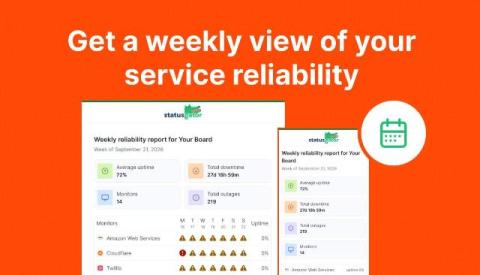
StatusGator already keeps you informed as outages happen with status change notifications and Early Warning Signals. Now, you can also get a simple summary of how your services performed over the past week. We’ve added Weekly Uptime Reports, delivered directly to your inbox. Each weekly report gives you an at-a-glance view of your StatusGator board, including: This makes it easy to review the week without digging through individual incidents or notification emails.