Operations | Monitoring | ITSM | DevOps | Cloud

Load Test PostgreSQL Instantly using Production Recordings

The first PostgreSQL post ran on a laptop: a demo app, a Docker container, and the proxymock CLI. That is the fastest way to see the idea. It is also not where your database problems live. Your real query mix lives in the cluster, where a Java service with a connection pool, an ORM and a schema migration tool sends the statements nobody wrote by hand. This post deploys an open source banking app to Kubernetes and records the queries one of its services sends to PostgreSQL.

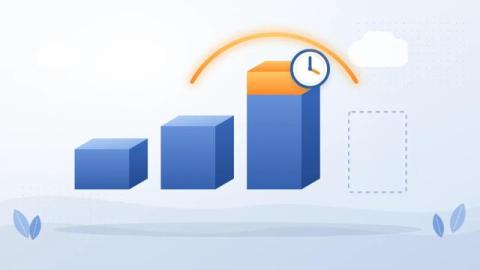
The Year-2 Price Cliff: What Your Observability Stack Really Costs Over 3 Years

I’m not the one whose phone lights up at 3 a.m. when production breaks. But I’ve spent years working alongside the engineers who are, and I’ve noticed that observability migrations happen for two reasons. Either engineering needed one, or, far more often, a quote landed that looked too good to refuse. The engineers rarely regret the first kind. The second kind they tell me about in year two, usually with a renewal notice in hand.

File, object, or block storage: what's the difference?

Choosing where your data lives is only half the question. How it's stored matters too. File, object, and block storage are each built for a different job. File storage uses the hierarchy you already know. Files live inside folders, and those folders can live inside other folders. Object storage gets rid of that hierarchy. Each piece of data is stored as its own object, which makes it easy to scale.