Getting started with software can be confusing – depending on the complexity of the software, of course. Despite the extensive documentation available for Charmed Operator SDK and Juju some just prefer to watch video material to start with. So, let’s take the opportunity to have a look at available tutorials and presentations available on the Internet.
In part 1 of our synthetics series, we looked at tracking network performance to drive better business outcomes. Here in part 2 of our series, we’ll dig into the very first and most basic business outcome of using digital experience monitoring (DEM). That is, we’ll look at how to protect and grow revenue by proactively monitoring the health, availability and uptime of your critical applications and services, so you can fix issues before your customers’ experience suffers.
Business continuity is a crucial part of any scalable operations plan, but many businesses fail to realize how important it is until their first critical emergency. Only then does business continuity management come to the forefront of planning exercises, and stakeholders are forced to reflect on what went wrong, why it went wrong, and determine if they can avoid it happening again, or be better prepared if it does. The true business continuity management lifecycle begins long before an incident.
The global march towards delivering operational resilience across the financial sector steadily continues.
In this k6 series I have covered HTTP request testing with k6 and performance testing with k6. I designed these tutorials to introduce you to k6 and to show you how to use k6 for performance testing of microservices. As the third tutorial in the k6 series, this will cover how you can store your k6 test results locally and also how to schedule your load tests using CircleCI’s scheduled pipelines feature.
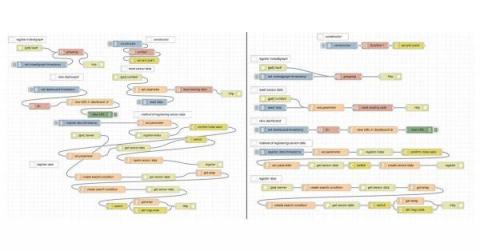
In this article you will learn about Node-RED, a popular tool for rapidly gluing together different types of hardware and software. You’ll learn about some of the core concepts of Node-RED and then learn how to make some workflows like storing data from a sensor using an MQTT broker and InfluxDB.
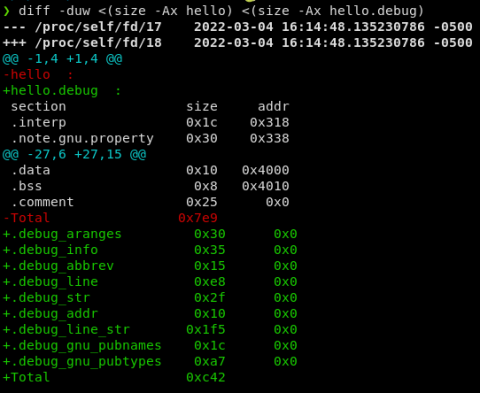
Large applications can produce very large symbol files when debug information is enabled (especially at the higher, more verbose levels of debug info!). This article describes some techniques for reducing debug symbol file sizes! Like Interrupt? Subscribe to get our latest posts straight to your mailbox.
We at Catchpoint are always striving to help our customers improve their products’ user experience, because, as we believe that “the experience is the point.” With a motto like that, you can bet we take the usability and effectiveness of our own platform very seriously, and are constantly striving to deliver a world-class user experience in the Catchpoint Portal. With that in mind, we have spent the better part of the last few years redesigning Catchpoint Portal from the ground up.