When declaring and responding to an incident with incident.io, most of your interactions with our product will go via Slack. You might configure your forms in our web dashboard, but the responder using them to declare an incident is most likely doing so from a Slack modal, and the incident announcement will be posted as a Slack message. This means a lot of our product design falls within the constraints of what we can build using Slack’s block kit.
Navigating the Windows system registry can seem like traversing a minefield, especially if you are new to it—a single misstep could create complex issues in your system. Specifically, incorrect manipulations of the registry key might lead to errors or even complete system crashes. Fortunately, understanding how to export a registry key can make things significantly easier and safer. Below, we’ll talk through some of the basics of Windows Registry operations.
Many users tread lightly around the command prompt, sticking to the familiarity of graphical interfaces. Yet, what if you could use the command line to unlock hidden software features and gain more control over your files? It’s all possible with the power of command-line arguments. Command-line arguments transform static, boring scripts into flexible, dynamic tools. By the end of this guide, you’ll be able to accomplish important tasks using command-line arguments without altering code.
Chrome extensions are incredibly helpful for adding additional functionality to your browser without downloading and navigating a brand-new application. They are easy to install and easy to access. Knowing exactly where Chrome extensions are stored can be useful for backups, troubleshooting, and security purposes. Let’s look at where you can find them, no matter what operating system you use.
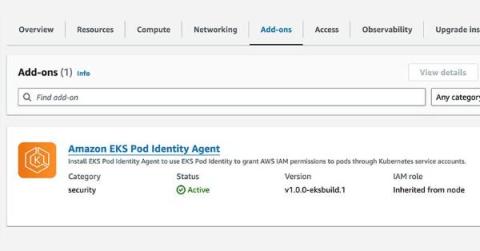
One announcement that caught my attention in the EKS space during this year’s AWS re:Invent conference was the addition of the Amazon EKS Pod Identities feature. This new addition helps simplify the complexities of AWS Identity and Access Management (IAM) within Elastic Kubernetes Service (EKS). EKS Pod Identities simplify IAM credential management in EKS clusters, addressing a problematic area over the past few years as Microservice adoption has risen across the industry.
What a year 2023 was at incident.io! While it's hard to summarize 365 days into just a few sentences, a handful of moments stood out from this transformative year: So as we close the curtain on a momentous 2023, we sat down with the three co-founders of incident.io—Chris, Stephen, and Pete—to do a bit of reflection on the wild ride that was this year.
Did you miss our latest roundtable on AI-driven FinOps? Don’t worry, we got you! In this recap, we’ll review what our FinOps experts discussed and the key takeaways from the roundtable discussion. Not much of a reader? Watch it on demand!