An Essential Guide to OpenTelemetry In today’s expeditious, highly distributed software landscape, achieving true observability is no simple task. As you strive to understand how your applications and services perform and behave, you face multiple challenges. Moreover, you need to instrument applications and services that generate data effectively, have a reliable means to transmit it, and, most importantly, find a way to visualize and derive insights from it.
No internet-connected code is truly secure. Today’s development process is deeply iterative, and this ever-shifting landscape of code can sometimes expose critical vulnerabilities. When these flaws are discovered by attackers first, zero-day exploits threaten not just your own integrity – but that of business partners and team members across the organization.
Few tools are as crucial and multifaceted as Group Policy within the context of Active Directory (AD) — though it often goes underutilized. For system administrators and network managers, mastering Group Policy is a powerful tool that should never be overlooked. This article will take you through the landscape of Group Policy, offering a comprehensive and all-inclusive breakdown of its principles, capabilities, and applications within the robust framework of Active Directory.
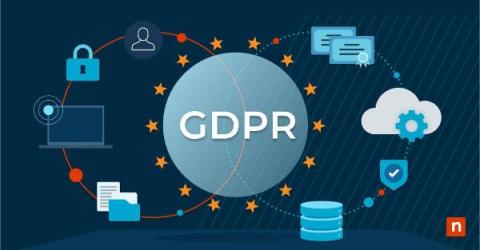
Because data privacy has become a paramount concern, the General Data Protection Regulation, more commonly known as GDPR, was introduced as a pivotal milestone in safeguarding personal information. As businesses worldwide grapple with the profound implications of this regulation, understanding GDPR compliance has never been more critical.
This is the first article in the “Succeeding with Backstage” series. This series is for those with a working Backstage implementation who want to ensure smooth adoption and ongoing successful use of the tool. If you’re still trying to decide if Backstage is for you, you can check out the first article in the “Evaluating Backstage” series.
This second installment of the “Succeeding with Backstage” explains how to create a custom Backstage plugin. For many use cases, customizing the platform’s look using the methods from the last part and integrating existing plugins will be enough to align Backstage with your organization’s needs. But what happens when the plugin directory doesn’t have a plugin that solves your particular problem? You create a custom plugin, of course.