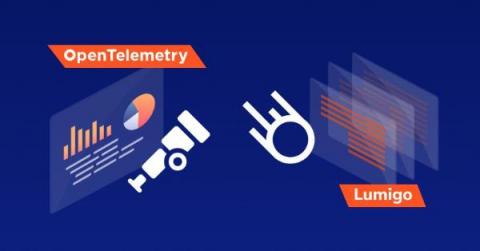
When we set out to trace applications running outside of AWS Lambda, there was little doubt in our minds that building on top OpenTelemetry was by far the best course of action. There are many reasons for this, but chiefly, it is a question of coverage. At its most fundamental level, achieving coverage requires as-wide-as-possible support for technologies, and interoperability among instrumentations.
There is a very major change in the way organizations work now. Previously their work was not technology oriented but now with this rapidly changing environment they are making their way through technology and that allows them to stand out and act in a way that they never thought that they will. Now that the scenario has already changed enough the technologies that came up to track the assets are backed by tracking software.
As digital services have become increasingly important to businesses and organizations, reducing downtimes and service disruptions have become critical objectives for business operations. This means management reporting and KPI’s are now crucial to quality management, providing the insight to let you improve incident remediation over time.
How long will you support your device? Long-term support for IoT is a simple but difficult question for many device manufacturers. If you are developing a smart home device, a mobile robot for hospitality, or the next iron man jetpack, you need to consider how long you will support the device on the market. This will have implications on your operational expenses, team resources and customer satisfaction. Simply put, the longer you support your device, the happier your user will be.
Another month has come to a close, so I’m back again to take you through what’s new and noteworthy from the month of September. If you missed last month’s blog, this will be a monthly recurring series to keep you posted with the latest and greatest at Honeycomb. There’s a ton to cover, so I’ll dispense with the preamble and dive right in.
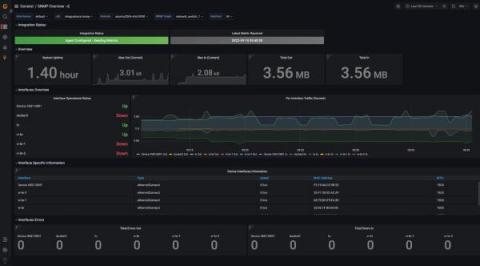
Simple Network Management Protocol (SNMP) is an internet protocol that is used to collect information about network devices and manage them. Most of the modern devices connected to a network support SNMP, such as routers, switches, servers, printers, and more. There are three different versions of SNMP (v1, v2, and v3). It most commonly operates on UDP ports 161 and 162. The most common versions being used are v1 and v2. The data can be collected from a network device through SNMP via polling.
As platform engineering continues to rise in popularity, there is a new side effect to watch out for: the people using the internal developer platforms aren't the people who built it. They’re not necessarily familiar with the codebase, they may not know what's powering it behind the scenes – and the platform might even have to contend with malicious users. So how is Puppet evolving to contend with this new challenge?